FHA Loans in Jacksonville: Requirements and Costs
Buying a home in Jacksonville can feel exciting until you start adding up the down payment, closing costs, credit requirements, and monthly mortgage payment. That is one reason FHA loans get attention from buyers who may not have a large amount of cash saved or who are working with less-than-perfect credit. FHA loans are issued by private lenders and insured by the Federal Housing Administration, rather than being funded directly by the government.
For buyers looking at FHA Loans in Jacksonville, understanding the basic requirements and the costs involved can make the process much easier to navigate.
What Is an FHA Loan?
An FHA loan is a mortgage insured by the Federal Housing Administration. The program is designed to make home financing accessible to a broader range of borrowers by allowing lower down payments and more flexible credit qualification than many conventional mortgage options.
The FHA 203(b) program can be used to purchase or refinance a primary residence, and eligible properties can include one- to four-unit structures.
For a Jacksonville buyer, that could mean financing a traditional single-family home, provided the borrower and property meet FHA requirements.
How Much Down Payment Is Required?
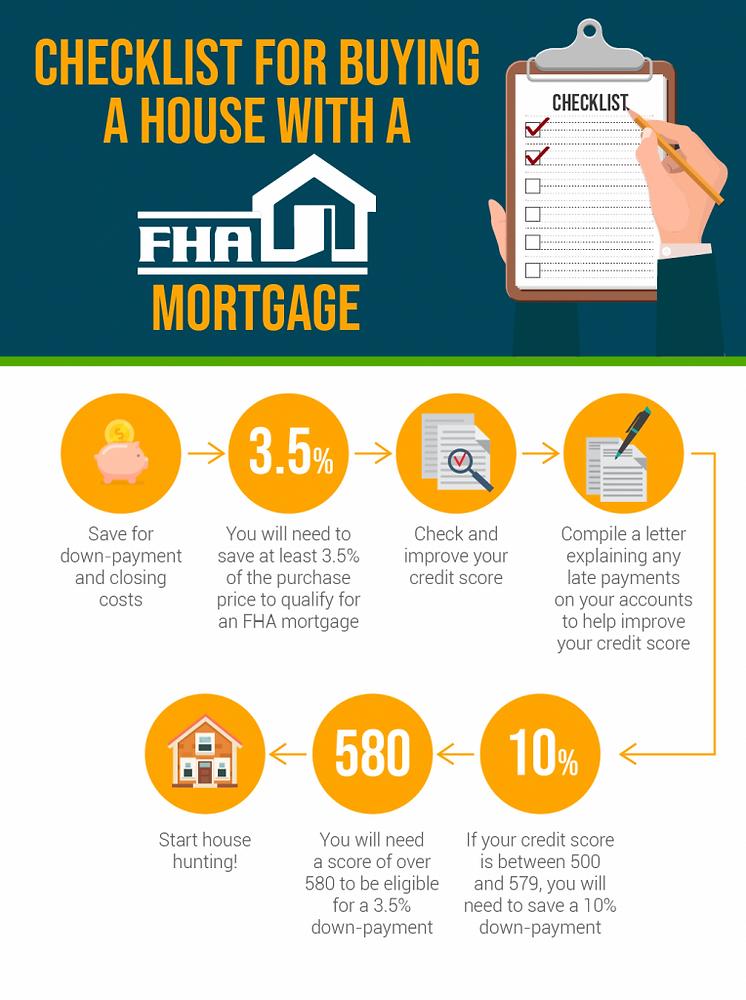
One of the biggest attractions of an FHA mortgage is the potential for a down payment as low as 3.5%.
For example, if you purchase a Jacksonville home for $300,000, a 3.5% down payment would be $10,500. That does not mean $10,500 is all you will need at closing. Other expenses, including closing costs, prepaid items, and required reserves where applicable, can increase the amount of money you need to bring to the transaction.
HUD also notes that the minimum required investment may come from acceptable sources such as the borrower’s own funds, gifts, second mortgages, or certain down-payment assistance programs.
What Credit Score Do You Need?
FHA financing is known for having more flexible credit requirements than many conventional loans. However, there is an important distinction between FHA’s program requirements and a lender’s own underwriting requirements.
A lender may consider your credit history, debt obligations, income, employment, assets, and the overall application when determining whether you qualify.
HUD has also announced that FHA will add VantageScore 4.0 and FICO Score 10T as eligible credit-scoring models beginning January 1, 2027, alongside the existing Classic FICO model.
Because requirements and lender overlays can differ, Jacksonville buyers should ask the lender exactly which credit standards apply to their application.
What Are the 2026 FHA Loan Limits in Jacksonville?
FHA loan limits depend on the property location and number of units. For 2026, the FHA one-unit limit for Duval County, which includes Jacksonville, is $580,750. The limits are higher for eligible two-, three-, and four-unit properties:
- One unit: $580,750
- Two units: $743,450
- Three units: $898,700
- Four units: $1,116,850
These are the 2026 limits published by HUD for Duval County and apply to FHA case numbers assigned during the applicable 2026 period.
This matters when you are looking at homes above the FHA limit. A buyer may need a different financing option, a larger down payment, or another structure if the desired property exceeds the applicable FHA maximum.
What Costs Come With an FHA Loan?
The down payment is only one part of the cost.
FHA loans require mortgage insurance. HUD’s FHA program includes an upfront mortgage insurance premium, which may be financed into the mortgage, along with an annual mortgage insurance premium collected through monthly payments.
You may also have closing costs such as:
- Lender fees
- Appraisal fees
- Title and settlement charges
- Recording fees
- Prepaid property taxes
- Homeowners insurance
- Escrow funding
- Other transaction-related expenses
The exact amount varies from one transaction to another. That is why looking only at the advertised interest rate or down payment can give an incomplete picture of what the mortgage will actually cost.
FHA Property Requirements Matter Too
Qualifying for the mortgage is only part of the process. The property itself must satisfy FHA requirements.
The FHA program covers eligible homes and other residential properties that meet applicable standards for safety, structural soundness, and livability.
For someone buying an older Jacksonville property, this can become particularly important. If an inspection or appraisal identifies issues, the lender may require certain problems to be addressed before the transaction can move forward.
That is why buyers should not assume that every home listed for sale will automatically work with FHA financing.
How Long Does the FHA Process Take?
There is no single timeline for every FHA purchase. The process generally involves preapproval, finding a property, submitting an offer, appraisal, documentation, underwriting, and closing.
The timeline can become longer if there are questions about income, credit history, documentation, the property condition, or other underwriting requirements.
Getting documents organized early can make the process easier. Lenders commonly ask for income records, bank statements, identification, employment information, and details about existing debts.
Is an FHA Loan Right for Every Jacksonville Buyer?
Not necessarily.
FHA financing can be useful for some buyers, particularly those who want a smaller down payment or have credit circumstances that make conventional financing more difficult. But FHA mortgage insurance and other costs can affect the long-term expense of the loan.
The Consumer Financial Protection Bureau recommends comparing FHA and conventional loan offers based on the total cost rather than assuming one option will always be cheaper.
A buyer putting down a small amount may have different costs from someone with stronger credit and a larger down payment. Getting multiple loan estimates can help you see how the numbers actually compare.
4 FAQs About FHA Loans in Jacksonville
1. What is the minimum down payment for an FHA loan in Jacksonville?
The FHA minimum required investment can be as low as 3.5% for qualifying borrowers. Your actual cash needed at closing may be higher because of closing costs, prepaid expenses, and other transaction costs.
2. What is the 2026 FHA loan limit in Jacksonville?
For a one-unit property in Duval County, the 2026 FHA loan limit is $580,750. Higher limits apply to eligible two-, three-, and four-unit properties.
3. Does an FHA loan require mortgage insurance?
Yes. FHA loans require mortgage insurance, including an upfront mortgage insurance premium and an annual premium that is generally collected through monthly mortgage payments.
4. Can FHA loans be used for older homes in Jacksonville?
Potentially, yes. FHA financing can be used for eligible residential properties, but the property must meet applicable FHA requirements. An appraisal and other reviews can identify conditions that may need attention before the loan can close.
Final Thoughts
FHA financing can make buying a Jacksonville home more accessible, but the 3.5% down payment is only one piece of the financial picture. Mortgage insurance, closing costs, interest, property requirements, and the applicable loan limit all deserve attention before you commit to a mortgage.
If you are considering an FHA loan, compare the complete numbers rather than focusing on one feature. A lender can provide an estimate based on your credit, income, purchase price, down payment, and other financial details so you can see what the monthly payment and upfront costs may actually look like.