Mortgage Rates in Jacksonville: What Borrowers Should Know
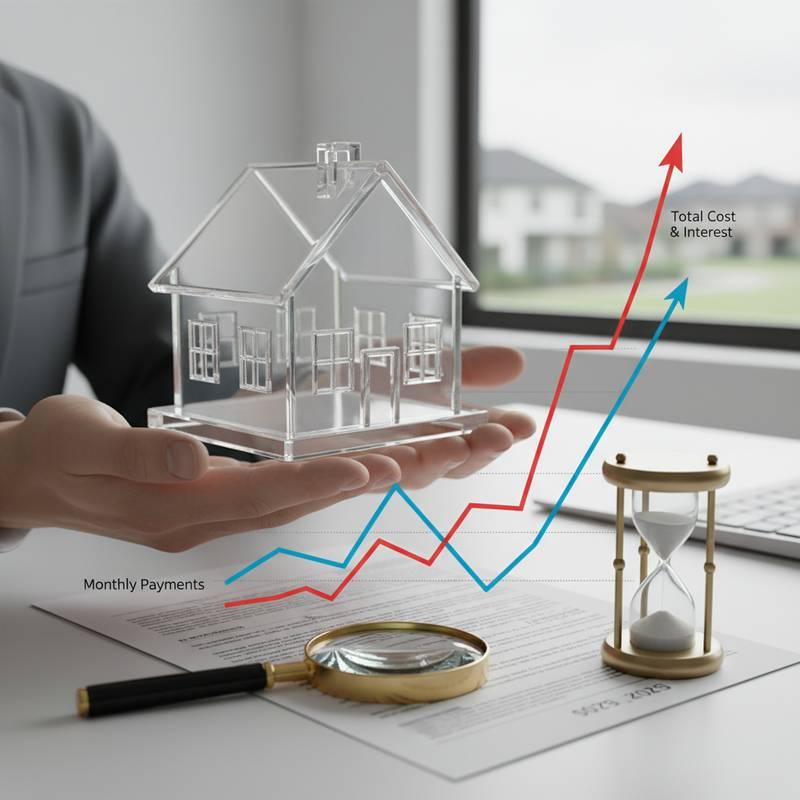
Mortgage rates can make a noticeable difference in what a Jacksonville home actually costs each month. A rate that looks like a small percentage change on paper can add up to thousands of dollars over the life of a mortgage. That is why people looking at Mortgage Rates in Jacksonville should consider more than simply finding the lowest number advertised online.
Rates change with broader market conditions, but the rate a borrower receives can also depend on personal factors such as credit, loan type, down payment, and other parts of the application. Freddie Mac notes that lenders consider individual borrower characteristics when determining mortgage pricing.
What Are Mortgage Rates Looking Like?
Mortgage rates move regularly, so there is no single Jacksonville rate that applies to every borrower.
As of September 17, 2026, Freddie Mac’s national weekly survey showed an average 30-year fixed mortgage rate of 6.95% and a 15-year fixed rate of 6.26%. These are national averages, not guaranteed Jacksonville offers, and an individual borrower’s quote can be different.
This distinction matters when shopping for a home. Seeing a rate advertised online does not necessarily mean that rate is the one you will receive. Your credit profile, loan program, property, down payment and other factors can affect the final offer.
Why Your Credit Score Matters
Your credit history can have a direct effect on the mortgage options available to you. Lenders generally review credit information when deciding whether you qualify and what interest rate to offer.
For example, two Jacksonville buyers purchasing similarly priced homes could receive different mortgage offers because their financial profiles are different.
Before applying, it can make sense to review your credit reports for errors and understand where your credit stands. This gives you an opportunity to address potential issues before submitting a mortgage application.
Fixed-Rate vs. Adjustable-Rate Mortgages
The type of mortgage you choose also affects how your interest rate works.
With a fixed-rate mortgage, the interest rate generally stays the same throughout the loan term. This makes monthly principal-and-interest payments easier to plan around.
An adjustable-rate mortgage, on the other hand, can change according to the terms of the loan after an initial period. That may make the starting rate different from a fixed-rate option, but borrowers need to understand how and when future adjustments could occur.
Do not compare loans simply by looking at the initial interest rate. The structure of the loan matters just as much.
A Lower Rate Is Not Always the Whole Story
This is where mortgage shopping can become confusing.
A lender might advertise one interest rate while another lender quotes a slightly different rate. But the interest rate alone does not show the entire cost of borrowing.
The Consumer Financial Protection Bureau explains that APR is broader than the mortgage interest rate because it can include the interest rate plus points, lender fees and other charges.
That means Jacksonville borrowers should look at the full loan offer rather than choosing based on one large number in an advertisement.
Ask about:
- Interest rate
- APR
- Discount points
- Origination charges
- Closing costs
- Mortgage insurance
- Rate-lock terms
- Estimated monthly payment
How Much Does the Down Payment Affect Your Loan?
Your down payment can influence both your loan amount and your overall borrowing costs.
Putting more money down means borrowing less, but it also means tying more of your savings up in the property. Putting less down can preserve cash for emergencies, moving expenses, repairs and other costs, but it may increase the amount you borrow.
Mortgage insurance may also be required depending on the loan and down payment. The CFPB notes that borrowers who put down less than 20% typically need mortgage insurance, although requirements vary by loan program.
The right balance depends on the borrower’s circumstances rather than one universal down-payment amount.
Should Jacksonville Buyers Wait for Rates to Drop?
This is a common question, especially when mortgage rates are moving from week to week.
There is no way to know exactly what future mortgage rates will be when you are ready to buy. Waiting can make sense for some borrowers, while others may prefer to move forward when they find a home and loan terms that fit their finances.
Instead of building a decision around a predicted future rate, consider the payment you can comfortably manage today and understand what refinancing could mean later if market conditions change.
The important point is to avoid assuming that rates will move in one particular direction.
Compare More Than One Mortgage Offer
Shopping around can make a meaningful difference.
The CFPB recommends comparing multiple mortgage offers and suggests getting at least three preapprovals when shopping for a mortgage.
When comparing Jacksonville lenders, look at the complete Loan Estimate rather than just comparing advertised rates. Multiple Loan Estimates can also give borrowers a clearer picture of fees and provide information they can use when discussing terms with lenders.
For example, one lender might offer a slightly lower rate but higher upfront charges, while another may offer a different combination of rate and closing costs.
Don’t Forget the Other Costs of Buying a Jacksonville Home
Your mortgage payment is only one part of the monthly housing expense.
Depending on the property and loan, homeowners may also need to budget for property taxes, homeowners insurance, mortgage insurance, HOA fees and maintenance.
This is particularly important when comparing homes at different price points. A house that looks affordable based only on the mortgage payment can have a very different overall monthly cost once the other expenses are included.
What Should Borrowers Ask a Lender?
Before choosing a mortgage, ask the lender to explain the numbers clearly.
Useful questions include:
- What interest rate am I being offered?
- What is the APR?
- Is the rate fixed or adjustable?
- How long can I lock the rate?
- What happens if rates change before closing?
- How much will I need at closing?
- Are discount points included?
- Will I have mortgage insurance?
- What will my estimated total monthly payment be?
- Are there penalties or costs associated with changing or refinancing the loan?
The CFPB also advises borrowers to carefully review their Loan Estimate and compare offers before choosing a loan.
4 FAQs About Mortgage Rates in Jacksonville
1. What affects mortgage rates for Jacksonville borrowers?
Mortgage pricing can be affected by broader market conditions as well as factors such as credit history, loan type, down payment, loan term and other borrower or property characteristics.
2. Are online mortgage rates the same for everyone?
No. Advertised rates may represent specific assumptions or borrower profiles. The actual rate offered to you can differ based on your financial circumstances and the loan you choose.
3. Should I compare APR or interest rate?
You should look at both. The interest rate represents the cost of borrowing, while APR incorporates the interest rate along with certain fees and other loan costs.
4. How many mortgage lenders should I compare?
Comparing several lenders can help you understand the available terms. The CFPB recommends getting at least three preapprovals when shopping for a mortgage.
Final Thoughts
Mortgage rates are only one piece of the home-buying decision in Jacksonville. The rate matters, but so do the loan type, fees, down payment, monthly payment and total cost of borrowing.
Rather than chasing a headline rate, take time to compare complete loan offers and understand exactly what you would be paying. A few percentage points—or even a fraction of a percentage point—can change the long-term cost of a mortgage, so knowing the numbers before signing can make the process much easier to navigate.