How to Get a Mortgage in Florida When You’re Self-Employed
Being self-employed gives you a lot of freedom, but buying a home can sometimes feel like the mortgage process was designed for people with a regular paycheck. If you own a business, work as an independent contractor, freelance, or earn income through a partnership or S corporation, you may wonder whether lenders will actually count your income. The good news is that getting a mortgage in Florida when you’re self-employed is absolutely possible. The process just involves more documentation and a closer look at how your income is earned.
Start by Understanding How the Lender Looks at Your Income
When you’re self-employed, a lender usually isn’t looking at your gross business revenue and simply calling that your income.
Instead, the lender needs to determine how much income is stable, documented, and reasonably expected to continue.
For conventional loans following Fannie Mae guidelines, someone with a 25% or greater ownership interest in a business is generally considered self-employed. The lender looks at the stability of the business, the nature of the work, financial strength, and whether the business can continue generating enough income to support the mortgage payment.
That can make your tax returns especially important.
Get Your Tax Returns Organized
This is probably the part that catches many self-employed borrowers off guard.
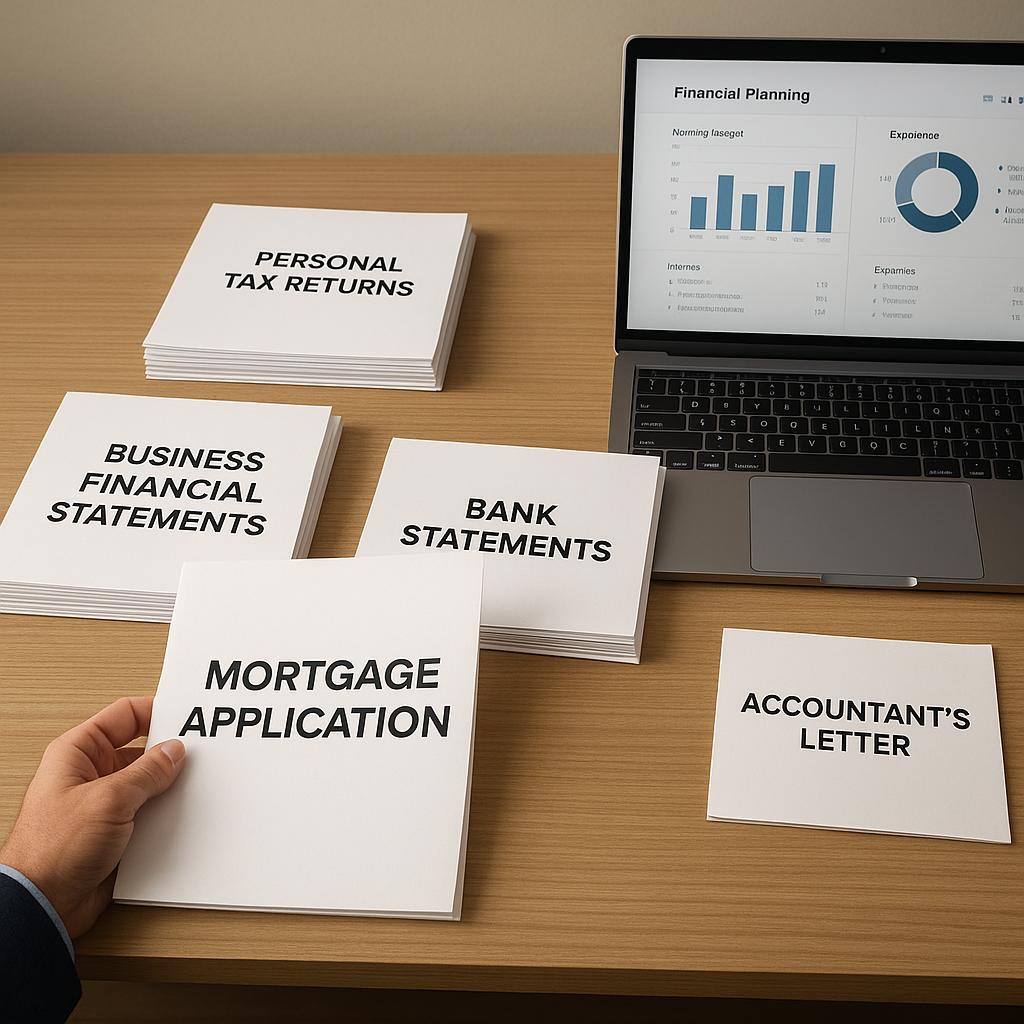
A lender may request your recent signed federal tax returns, including applicable schedules. Depending on your business structure and circumstances, business tax returns may also be required.
Fannie Mae’s current guidance generally calls for two years of tax-return documentation for self-employed income, although there are circumstances where one year may be acceptable. For example, borrowers with a business that has existed for at least five years and who have maintained at least 25% ownership for five consecutive years may qualify for reduced business-return documentation if other requirements are met.
So before applying, make sure your tax records are complete and easy to provide.
Your Business Structure Matters
Whether you’re a sole proprietor, LLC owner, partner, or S corporation owner can affect how your qualifying income is calculated.
For example, business income shown on your personal return isn’t necessarily the same thing as money you personally took home. Lenders may analyze business expenses, distributions, depreciation and other items to determine what income can reasonably be used for your mortgage qualification.
That’s why a business owner who says, “My company made $180,000 last year,” may not necessarily qualify based on $180,000 of personal qualifying income.
The lender has to work through the numbers.
A Strong Business History Can Help
Having a longer, consistent history of self-employment can make the documentation process easier.
Fannie Mae generally looks for a two-year history of prior earnings when evaluating self-employed income. A shorter period can sometimes work when the borrower has a full 12 months of self-employment income and previous experience in the same or a similar field supports the income history.
So if you recently started a business, don’t automatically assume you can’t qualify. Your previous employment and experience may matter.
Keep Your Personal and Business Finances Organized
If you’re mixing personal and business transactions in the same account, mortgage underwriting can become more complicated.
Separate accounts make it easier to show where your income is coming from and how the business operates.
It’s also helpful to keep organized records for:
- Business bank accounts
- Personal bank accounts
- Tax returns
- Profit and loss statements
- Business licenses
- 1099 forms
- Partnership or corporate documents
- Outstanding business debts
- Major business expenses
The exact documentation will depend on your loan and lender.
Don’t Be Surprised if the Lender Asks for More
One of the frustrating parts of being self-employed is getting asked for another document after you thought everything was finished.
That doesn’t necessarily mean something is wrong.
A lender may need additional information to understand a deposit, verify business income, explain a large expense, or confirm that the income you’re using to qualify is still continuing.
Current Fannie Mae guidance requires lenders to document qualifying income and determine that it is stable and reasonably expected to continue.
Being prepared for this can make the process much smoother.
Watch Your Tax Deductions
Here’s something self-employed buyers should think about before they apply.
Business deductions can be great for lowering taxable income, but a lower taxable income can also affect the income a lender uses when qualifying you.
That doesn’t mean you should stop taking legitimate deductions. It simply means you should understand how your tax strategy and mortgage plans interact.
If you’re thinking about buying a Florida home soon, it can be useful to speak with both your tax professional and mortgage lender before making major financial decisions.
Work on Your Credit and Debt Before Applying
Your income isn’t the only thing the lender considers.
Your credit history, existing debts, down payment, assets, and the type of mortgage you’re applying for all matter.
Paying down unnecessary debt, avoiding new credit accounts, keeping payments on time, and maintaining enough savings for the down payment and closing costs can put you in a stronger position.
And don’t forget that Florida homeowners also need to think about property taxes, homeowners insurance, and potentially higher insurance costs depending on the property.
Get Preapproved Before Shopping Seriously
A mortgage preapproval can be particularly useful when you’re self-employed.
Instead of finding a house first and worrying about financing later, you can have a lender review your income and documentation ahead of time.
That gives you a better idea of your realistic price range and lets you know if there are documents you need to clean up before making an offer.
It also makes the home-shopping process less stressful because you’re not guessing whether your income will qualify.
FAQs
1. Can self-employed people get a mortgage in Florida?
Yes. Self-employed borrowers can qualify for mortgages, provided they meet the lender’s requirements for income, credit, assets, debts, and other underwriting factors.
2. How long do I need to be self-employed to get a mortgage?
There isn’t one universal rule for every mortgage. Conventional underwriting generally looks for a two-year earnings history, but borrowers with less than two years of self-employment may sometimes qualify when they have at least 12 months of income from the current business and relevant prior experience.
3. What documents do self-employed borrowers need for a mortgage?
Depending on the loan, you may need personal and business tax returns, IRS transcripts, bank statements, profit and loss statements, business documents, and other records supporting your income and assets. Current Fannie Mae guidance specifically provides for tax-return and transcript documentation when required.
4. Does business income count as personal income for a mortgage?
Not automatically. The lender analyzes the business income and expenses to determine how much stable income can reasonably be used for your mortgage qualification. The amount your business earns may therefore differ from the qualifying income used on your loan application.
Final Thoughts
Getting a mortgage while self-employed in Florida isn’t necessarily harder because you earn less or have an unusual job. It’s often harder because your income needs to be explained and documented.
If your business has a solid history, your records are organized, your income is reasonably consistent, and your overall finances are in good shape, there’s no reason to assume homeownership is off the table.
Start preparing before you find the house. Gather your tax documents, review your credit and debts, keep business and personal finances organized, and talk with a lender who regularly works with self-employed borrowers.
That little bit of preparation can save you a lot of back-and-forth later—and make the path from running your business to owning your Florida home much easier.