How Long Does Mortgage Approval Take in Florida?
Buying a home can feel like a race against the calendar. You find a property you like, make an offer, and then suddenly you are waiting for the lender to approve the mortgage. So, how long does mortgage approval take in Florida? There is no fixed number of days for every borrower, but the process can take several weeks from application through final closing. The timeline depends on the lender, loan type, documentation, appraisal, underwriting, property, and how quickly outstanding conditions are resolved.
It is also important to separate “mortgage approval” from the entire home-buying process. Getting an initial Loan Estimate is not the same thing as having your loan approved. The CFPB specifically notes that receiving a Loan Estimate does not mean the lender has approved or denied the mortgage.
What Happens After You Apply?
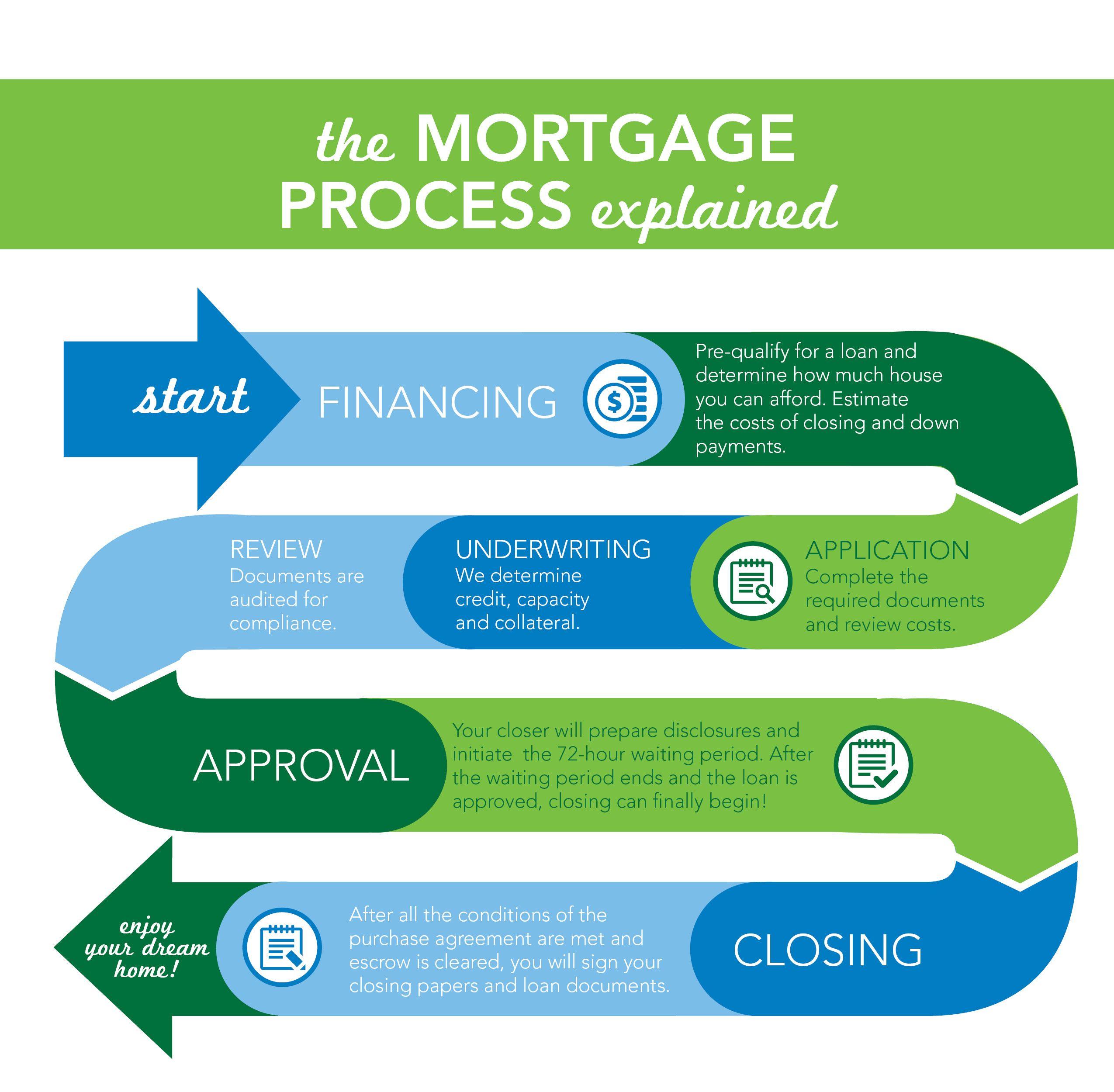
The mortgage process usually involves several stages rather than one simple approval step.
You provide financial information, the lender reviews your application, documents are verified, the property is evaluated, and the loan goes through underwriting. The underwriter may ask for additional documents or explanations before issuing a final decision.
The CFPB says that after you tell the lender you want to proceed, the lender may request additional information and documentation to verify what you submitted. Once the necessary information has been received, the lender can approve or deny the application.
That back-and-forth is one reason the timeline can vary from one borrower to another.
How Long Does Each Stage Take?
There is no universal timeline for each stage, but the process generally looks something like this:
1. Application and Loan Estimate
Once you provide the six pieces of information required for a Loan Estimate, the lender generally must provide it within three business days. Those details include your name, income, Social Security number, property address, estimated property value, and desired loan amount.
Receiving this document does not mean your mortgage is approved.
2. Document Review
After you decide to move forward, the lender may request documents such as income records, bank statements, employment information, tax documents, and other financial records.
How quickly this stage moves partly depends on how complete your paperwork is. If documents are missing or information does not match what was originally provided, the lender may need additional clarification.
3. Appraisal and Property Review
The lender generally needs information about the property before finalizing the mortgage. An appraisal may be ordered to help determine the property’s value.
Property-related issues can add time, particularly if an appraisal needs to be rescheduled, additional information is requested, or the property raises questions during underwriting.
4. Underwriting
This is where the lender evaluates the complete mortgage application.
The underwriter looks at factors such as income, debts, assets, credit history, loan details, and the property. They may approve the loan, request additional conditions, or determine that the application does not meet the lender’s requirements.
The faster you can respond to legitimate document requests, the less likely those requests are to sit unresolved.
5. Final Approval and Closing
Once the lender’s conditions have been satisfied, the mortgage can move toward final closing.
Before closing, you must receive a Closing Disclosure showing the final loan terms and closing costs at least three business days before closing.
The final closing involves signing the required documents and transferring the funds. Once the closing is completed, the mortgage becomes final and the home purchase is completed.
What Can Slow Down Mortgage Approval?
Sometimes the delay has nothing to do with the borrower doing something wrong. Mortgage transactions involve several moving parts.
Common causes of delays can include:
- Missing financial documents
- Unexplained deposits in bank accounts
- Changes in employment or income
- Credit issues discovered during underwriting
- Appraisal delays
- Property-related problems
- Title issues
- Slow responses to lender requests
- Complex self-employed income
- Additional underwriting conditions
- Changes to the loan or purchase contract
Self-employed borrowers, for example, may need to provide additional financial documentation because lenders have to evaluate income differently from a borrower with a straightforward salaried income.
Can You Speed Up the Process?
You cannot control every part of mortgage approval, but you can make your side of the process easier.
Have your financial documents organized before applying. Keep copies of recent income records, bank statements, tax documents, identification, and other paperwork your lender may request.
Also, try to avoid making major financial changes while your mortgage is being processed. Taking on new debt, changing jobs, moving large amounts of money between accounts, or making other significant financial changes can create additional questions.
Most importantly, respond promptly when your lender asks for information. A document request sitting unanswered for several days can create an avoidable delay.
Does the Type of Mortgage Matter?
Yes. Different mortgage programs have different qualification requirements and documentation.
A straightforward conventional purchase may move differently from a jumbo mortgage, FHA loan, VA loan, investment-property loan, or financing involving complicated income.
The property itself can also affect the timeline. A single-family home may involve a different review process from a condominium or another property type.
This is why it is difficult to promise an exact approval date before the lender has reviewed the details of your application.
What About the Florida Closing Timeline?
Mortgage approval is only one part of getting to the closing table.
Your purchase contract will have its own deadlines, and the lender, title or closing company, seller, real estate professionals, and other parties all need to coordinate.
The CFPB notes that the settlement or closing agent coordinates the transaction, including funds and required documents.
Once your loan is ready, you still need to review the final Closing Disclosure and complete the closing process.
Frequently Asked Questions
1. How long does it take to get mortgage approval in Florida?
There is no guaranteed timeline. A mortgage can take several weeks from application through closing, but the exact time depends on the lender, borrower, loan type, property, documentation, appraisal, and underwriting.
2. How long does underwriting take for a mortgage?
Underwriting time varies by lender and application. A straightforward file with complete documentation may move more quickly, while complicated income, missing documents, appraisal questions, or additional conditions can extend the process.
3. Can a mortgage be approved in a few days?
Some parts of the mortgage process can happen quickly, but receiving a Loan Estimate within three business days is not the same as receiving final mortgage approval.
4. How long before closing do I receive the Closing Disclosure?
Federal rules generally require the lender to provide the Closing Disclosure at least three business days before the scheduled closing.
Final Thoughts
Mortgage approval in Florida is not usually a single quick decision. It is a process involving documentation, credit and income review, property evaluation, underwriting, and final closing requirements.
You can make the process smoother by preparing your documents early, answering lender questions promptly, and avoiding major financial changes while the mortgage is being processed. Most importantly, give yourself enough time between the mortgage application and your contract’s closing deadline so there is room for unexpected delays.