How to Get Mortgage Pre-Approved in Florida
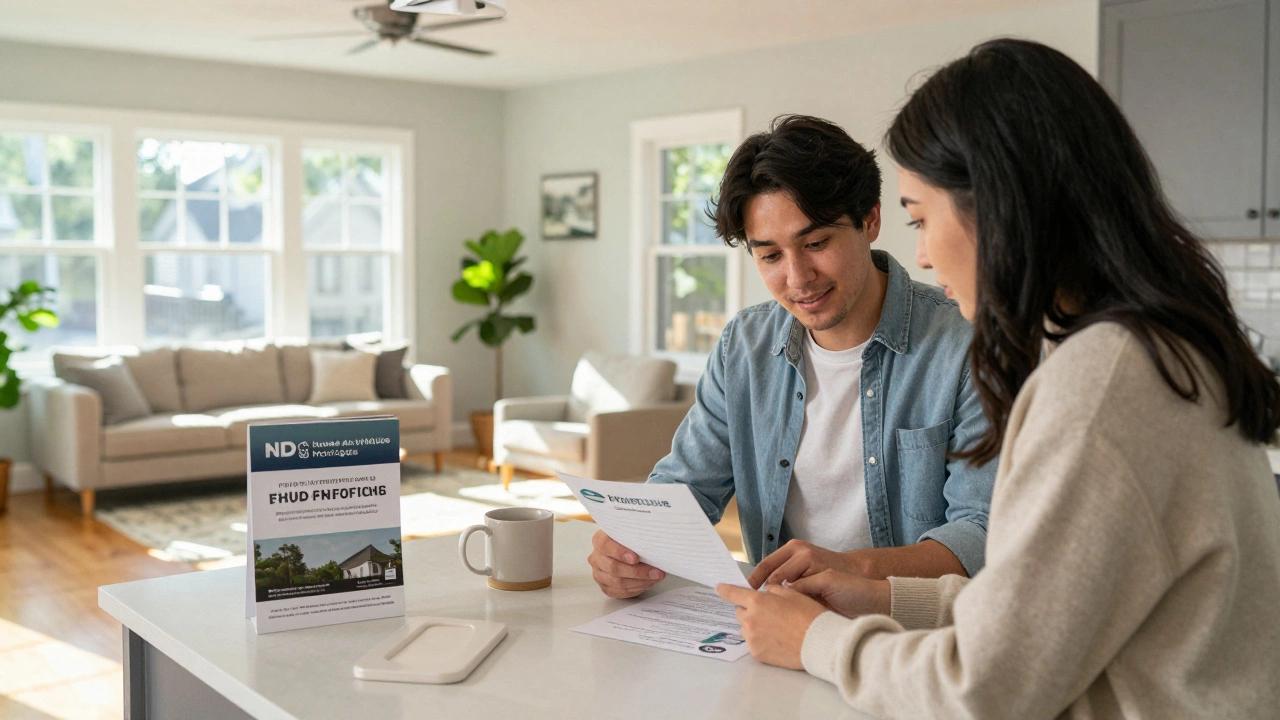
Buying a home in Florida can move quickly. You might spend weeks looking at houses and then suddenly find one you really want, only to realize you still need to sort out financing. That is why knowing how to get mortgage pre-approved in Florida before seriously shopping can make the home-buying process much easier. A preapproval gives you an idea of how much a lender may be willing to lend and can show sellers that you are a serious buyer. However, it is important to remember that a preapproval is not a guaranteed mortgage approval.
Start by Looking at Your Own Finances
Before contacting lenders, take an honest look at your financial situation. Think about your income, monthly debts, savings, credit history, and how much money you are comfortable putting toward a down payment and closing costs.
A lender may approve you for a certain amount, but that does not necessarily mean you should spend that much on a home. Your actual budget also needs to leave room for insurance, property taxes, maintenance, utilities, and everyday expenses.
This matters in Florida because the cost of owning a home can vary considerably depending on the property and location.
Check Your Credit Before Applying
Your credit history is one of the things lenders consider when reviewing a mortgage application. A mortgage lender may pull your credit as part of the preapproval process.
Before applying, review your credit reports for mistakes or accounts you do not recognize. If something looks wrong, it is better to address it before you begin making offers on homes.
Also, avoid making major financial changes right before or during the mortgage process. Taking on a large new loan, opening several credit accounts, or moving money around without being able to explain the source can create additional questions for the lender.
Gather Your Mortgage Documents
Being organized can make the process considerably smoother.
Depending on your circumstances and the lender, you may be asked for recent pay stubs, W-2 forms, tax returns, bank statements, identification, information about your debts, and documentation showing where your down payment funds came from. Self-employed borrowers or people with irregular income may need additional documentation.
It is a good idea to keep digital copies of your documents in one place. If the lender asks for an updated bank statement or pay stub later, you will not have to start searching for everything again.
Compare More Than One Florida Lender
One of the biggest mistakes buyers can make is assuming the first lender they speak with automatically has the best mortgage.
The Consumer Financial Protection Bureau recommends contacting multiple lenders and comparing offers. Different lenders may offer different loan programs, rates, fees, and terms.
You can compare banks, credit unions, mortgage companies, and mortgage brokers. Ask each lender about the same basic scenario so you are comparing similar loan options rather than completely different products.
Pay attention to more than just the interest rate. Ask about lender fees, points, closing costs, loan terms, mortgage insurance, and any other charges that could affect the overall cost.
Understand Prequalification vs. Preapproval
These two terms can sound interchangeable, but lenders do not always use them in exactly the same way.
Some lenders may issue a prequalification based largely on information you provide, while a more detailed preapproval process may involve reviewing your credit, income, assets, and other financial information. The CFPB also notes that lenders use these terms differently, so it is worth asking exactly what was reviewed when you receive a letter.
Ask the lender:
- Did you verify my income?
- Did you review my assets?
- Was my credit checked?
- How much is the preapproval for?
- How long is the letter valid?
- What conditions could still prevent final approval?
Those answers give you a much clearer picture of how strong your financing position really is.
Ask Which Florida Loan Programs You May Qualify For
Do not automatically assume that a conventional mortgage is your only option.
Depending on your circumstances, a lender may discuss conventional, FHA, VA, USDA, or other mortgage programs. The right option can depend on your income, credit profile, down payment, property, military eligibility, and other factors.
Florida buyers may also want to investigate programs offered through the Florida Housing Finance Corporation. Florida Housing currently offers homebuyer programs through participating lenders, including 30-year fixed-rate first mortgages and certain down-payment and closing-cost assistance programs for eligible borrowers. Program requirements apply, including income, purchase-price, credit, education, and other eligibility rules.
Find Out How Much You Can Comfortably Afford
A preapproval letter might show that you can borrow $400,000, $500,000, or more. That number should not automatically become your home-shopping budget.
Consider what your monthly payment would look like after adding property taxes, homeowners insurance, mortgage insurance if applicable, HOA fees, and other housing expenses.
The CFPB specifically points out that the lender determines how much it may be willing to lend, while you are the person who has to decide how much you are actually comfortable spending.
There is a big difference between qualifying for a house and feeling comfortable owning it.
Get the Preapproval Letter
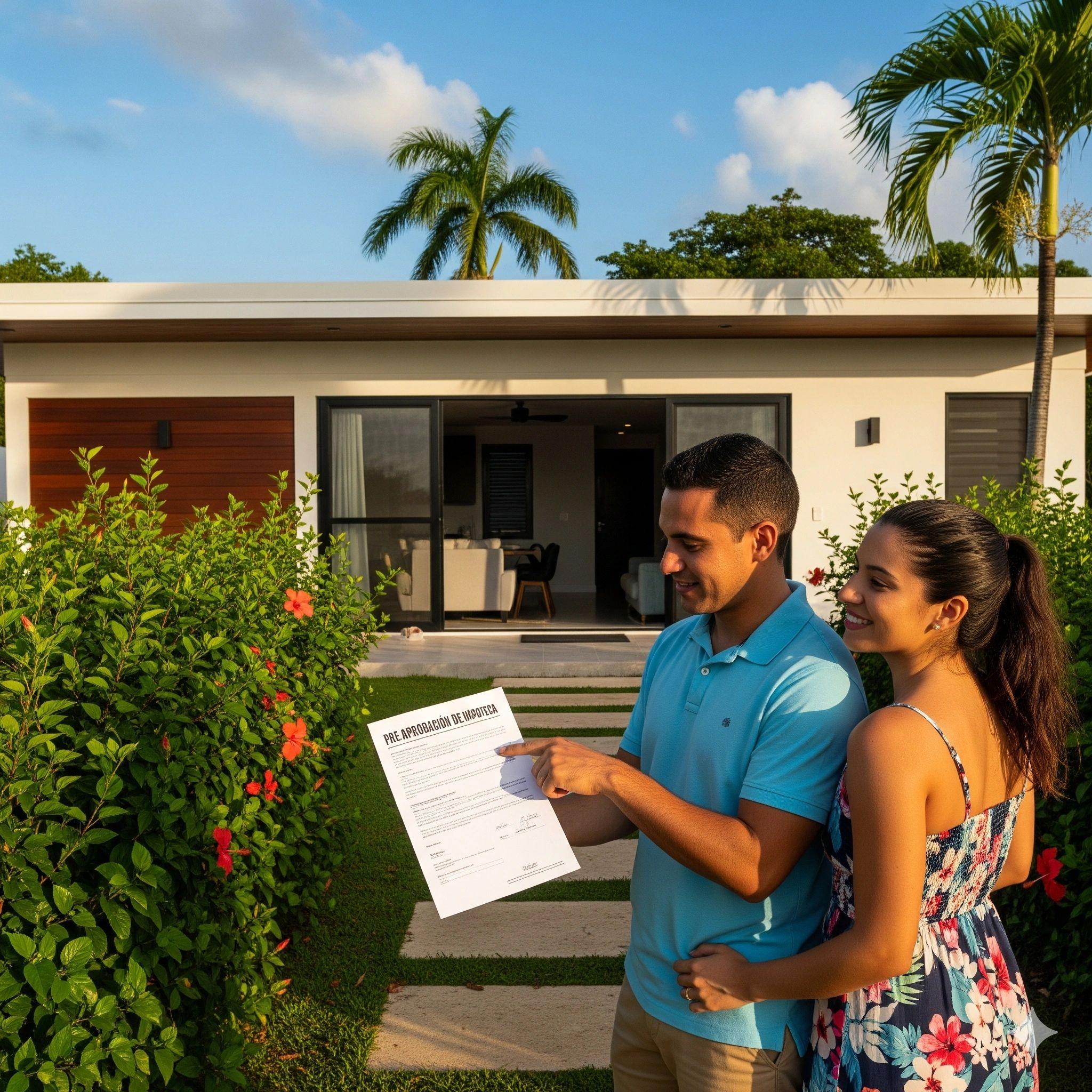
Once the lender reviews your information and determines that you meet its requirements, you may receive a preapproval letter stating the approximate amount the lender is tentatively willing to lend.
Keep in mind that the letter is not the final mortgage approval. The lender will still need to verify information and evaluate the specific property and transaction later in the process.
The letter can nevertheless be useful when you are ready to make an offer because it demonstrates that you have already spoken with a lender and taken steps toward securing financing.
Keep Your Finances Stable After Preapproval
Getting preapproved is not the finish line.
Once you have the letter, continue paying your bills on time and avoid unnecessary financial changes. Do not assume that because you have been preapproved, the lender will stop reviewing your finances.
When you eventually move forward with a specific property, additional documentation, appraisal, property-related review, and final underwriting may still be required.
4 FAQs About Mortgage Preapproval in Florida
1. How long does it take to get mortgage pre-approved in Florida?
The timing varies by lender and by the complexity of your financial situation. Having complete and accurate documents ready can help prevent unnecessary delays.
2. Does mortgage preapproval guarantee that I will get the loan?
No. A preapproval is not a guaranteed loan offer. Final approval can depend on additional verification, the property, and other conditions that must be satisfied before closing.
3. How much credit score do I need for a Florida mortgage?
There is no single credit-score requirement for every mortgage. Requirements depend on the loan program and lender. For example, Florida Housing’s current Homebuyer Loan Program lists a minimum credit score of 640 for its program, along with other eligibility requirements.
4. Should I get preapproved before looking at homes in Florida?
Generally, getting preapproved before seriously shopping can help you understand your financing range and make your offer more credible. It can also reveal potential financial or documentation issues early enough to address them.
Final Thoughts
Getting mortgage pre-approved in Florida is less about obtaining a piece of paper and more about knowing where you stand before you start making offers. Gather your financial documents, check your credit, compare lenders, ask questions about loan programs, and understand the difference between what a lender says you can borrow and what you actually want to spend.
A little preparation before the house hunt can make the rest of the process feel far less rushed when the right Florida property finally comes along.