Can You Get a Mortgage With Bad Credit in Orlando?
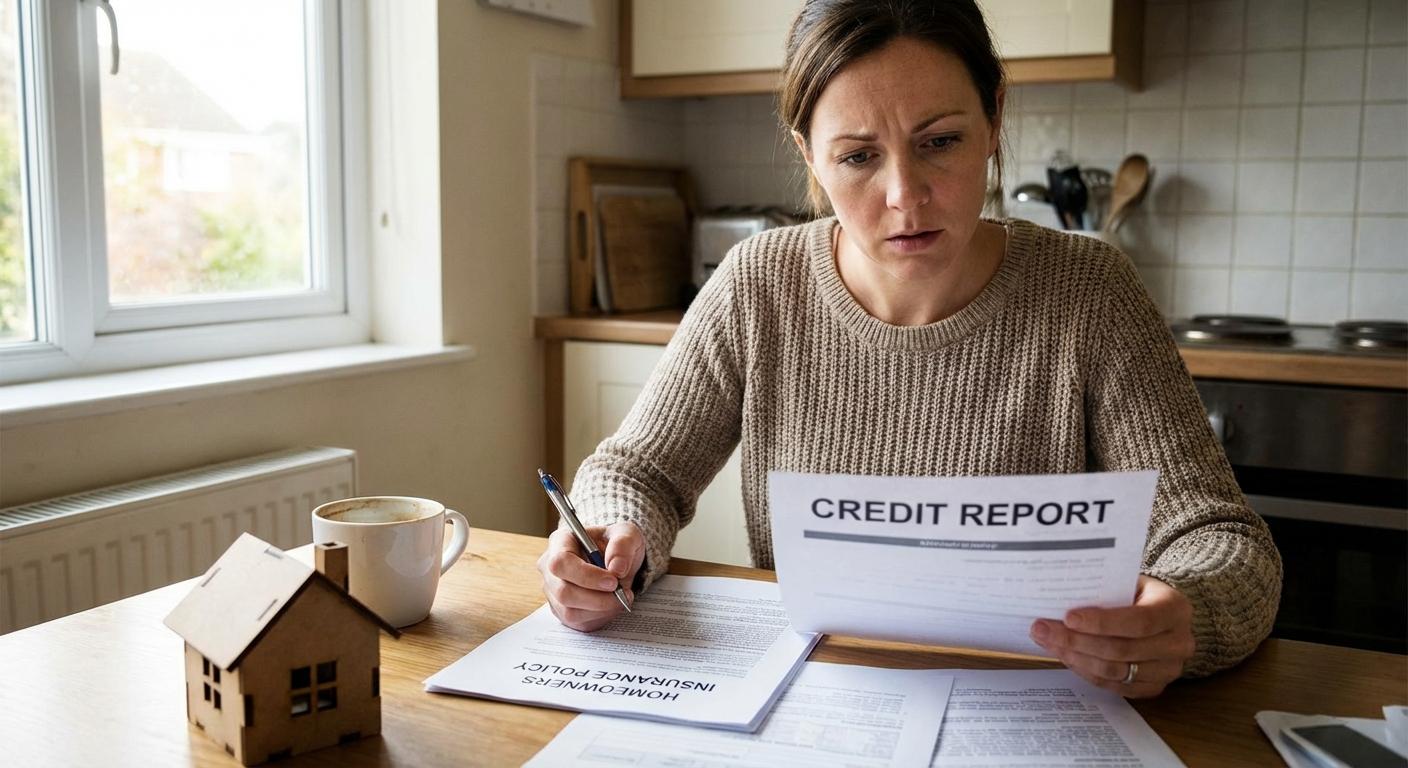
A low credit score can make buying a home in Orlando feel out of reach, especially when you start looking at mortgage requirements and realize that lenders do not all use the same standards. The good news is that getting a mortgage with bad credit in Orlando may still be possible. Your credit score is important, but lenders also look at income, existing debts, savings, credit history, and other parts of your financial picture.
The key is understanding what your credit situation actually means before you start making offers on homes. A lower score may limit your choices or increase your borrowing costs, but it does not automatically mean you cannot qualify.
What Credit Score Is Considered Bad for a Mortgage?
There is no single number that every mortgage lender considers “bad credit.” Different mortgage programs have different requirements, and lenders may also apply their own underwriting standards.
For example, FHA loans are designed to allow more flexible credit standards than many conventional mortgages. The Consumer Financial Protection Bureau notes that FHA loans can allow down payments as low as 3.5% and generally accommodate lower credit scores than conventional loans.
For borrowers with scores below 620, qualifying for a mortgage can become more difficult, although government-backed programs may provide additional possibilities depending on the borrower’s overall financial situation.
That means you should not look at your score alone and assume you already know whether you qualify.
Could an FHA Loan Help?
For some Orlando buyers with weaker credit, an FHA-insured mortgage may be worth discussing with a lender.
FHA loans are issued by private lenders and insured by the Federal Housing Administration. The program permits lower down payments and can be more flexible with credit than many conventional loan options. FHA mortgage insurance is required.
Generally, FHA guidelines allow borrowers with a credit score of 580 or higher to qualify for maximum financing with a 3.5% minimum down payment. Borrowers with scores from 500 to 579 may still qualify under FHA rules but generally need at least 10% down. Individual lenders can have additional requirements, so these numbers should not be treated as a guarantee of approval.
For someone shopping for a home in Orlando, that distinction can make a significant difference in how much cash is needed upfront.
Your Credit Score Is Only Part of the Application
Imagine two buyers who both have a 610 credit score. Their mortgage applications could look very different.
One might have steady employment, manageable monthly debts, savings in the bank, and a recent history of on-time payments. The other might have several delinquent accounts, high credit-card balances, unstable income, and very little savings.
A lender may look at those applications differently.
The CFPB says mortgage lenders can consider factors including credit history, existing debt, savings and assets, and current income in addition to the credit score itself.
That is why improving the overall application can matter even when your score cannot change overnight.
What If Your Credit Problems Are Recent?
It helps to understand why your score is low.
There is a difference between having a limited credit history and having several recent late payments, collections, high balances, bankruptcy, or foreclosure history. The reason behind the score can affect how a lender evaluates your application.
Before applying, check your credit reports for errors. The CFPB recommends reviewing your credit information because inaccurate information can hurt your score and potentially affect the mortgage terms you receive.
You may also want to avoid opening several new credit accounts immediately before applying for a mortgage. Multiple new credit applications can affect your credit profile.
Orlando Buyers May Have Local Assistance Options
Credit is not the only challenge for buyers. Coming up with the down payment and closing costs can also be difficult.
The City of Orlando operates a down-payment assistance program for qualifying first-time buyers purchasing an eligible property within city limits. The program can provide assistance toward down payment, closing costs, reserves, prepaid items, and principal reduction. Importantly, the city’s lender guide states that the program itself does not require a particular minimum credit score, although applicants still have to qualify for a first mortgage through a registered lender and meet other program requirements.
Florida Housing also offers homebuyer programs through participating lenders. Its current Homebuyer Loan Program lists a minimum 640 credit score, along with income, purchase-price, education, and first-time-buyer requirements.
So, if your score is below 640, it is important not to assume that every Orlando assistance program will have the same requirements.
Should You Wait and Improve Your Credit?
Sometimes waiting makes financial sense. Sometimes a buyer may have reasons to explore mortgage options sooner.
The important question is not simply, “Can I get approved?” You should also ask what the loan will actually cost.
A lower credit score can mean fewer choices and potentially higher borrowing costs. The CFPB explains that, generally, borrowers with higher scores receive access to lower interest rates, while borrowers in lower score ranges may have fewer mortgage options.
For that reason, compare the complete cost of the mortgage rather than focusing only on whether a lender says yes.
If improving your credit could move you into a different pricing or loan category, paying down certain debts or correcting credit-report errors before applying could be worthwhile.
Talk With More Than One Mortgage Professional
One lender’s answer does not necessarily represent every lender’s answer.
Mortgage companies can have different underwriting requirements, loan products, and risk standards. If your credit history is complicated, ask lenders what programs they offer for borrowers in your credit range and what documentation they would need.
Ask about:
- Minimum credit-score requirements
- Down-payment requirements
- Interest rate and annual percentage rate
- Mortgage insurance
- Debt-to-income requirements
- Closing costs
- Required reserves
- How past late payments or collections are treated
- Whether government-backed loan programs are available
Getting several loan estimates can give you a clearer picture of what is actually available rather than relying on a general credit-score rule.
4 FAQs About Getting a Mortgage With Bad Credit in Orlando
1. Can I buy a house in Orlando with a low credit score?
Possibly. Mortgage eligibility depends on the loan program, lender requirements, income, debt, assets, credit history, and other factors. FHA loans may offer more flexible credit requirements than many conventional mortgages.
2. What credit score do I need for an FHA mortgage?
FHA guidelines generally allow scores of 580 or higher for maximum financing with a 3.5% minimum down payment. Scores from 500 to 579 may qualify with a larger down payment, subject to FHA and lender requirements.
3. Does Orlando offer down-payment assistance?
The City of Orlando has a down-payment assistance program for qualifying first-time homebuyers purchasing eligible properties within city limits. The program has income, residency, property, mortgage, and other requirements, so eligibility should be confirmed before relying on the assistance.
4. Should I improve my credit before applying for a mortgage?
It may be worth considering, particularly if improving your score could give you access to more loan choices or better pricing. However, the right timing depends on your complete financial situation, so comparing actual loan offers can be more useful than focusing on a credit score alone.
Final Thoughts
Bad credit does not necessarily close the door on buying a home in Orlando. It can, however, change the type of mortgage you qualify for, the amount you may need upfront, and the overall cost of borrowing.
Before you start house hunting seriously, look at your credit reports, understand your debts and income, explore available mortgage programs, and compare lenders. A mortgage decision should be based on the complete cost and terms of the loan—not simply whether you can get approved.