Current Home Interest Rates in Florida: What Homebuyers Should Know
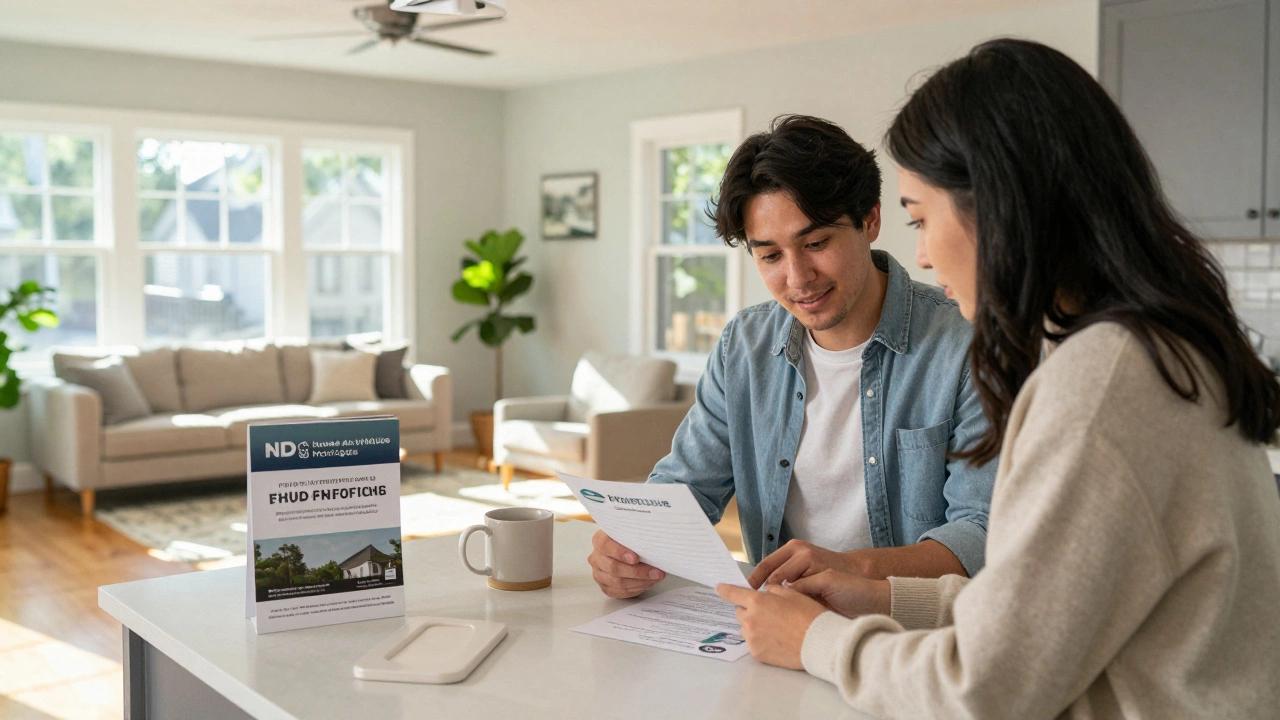
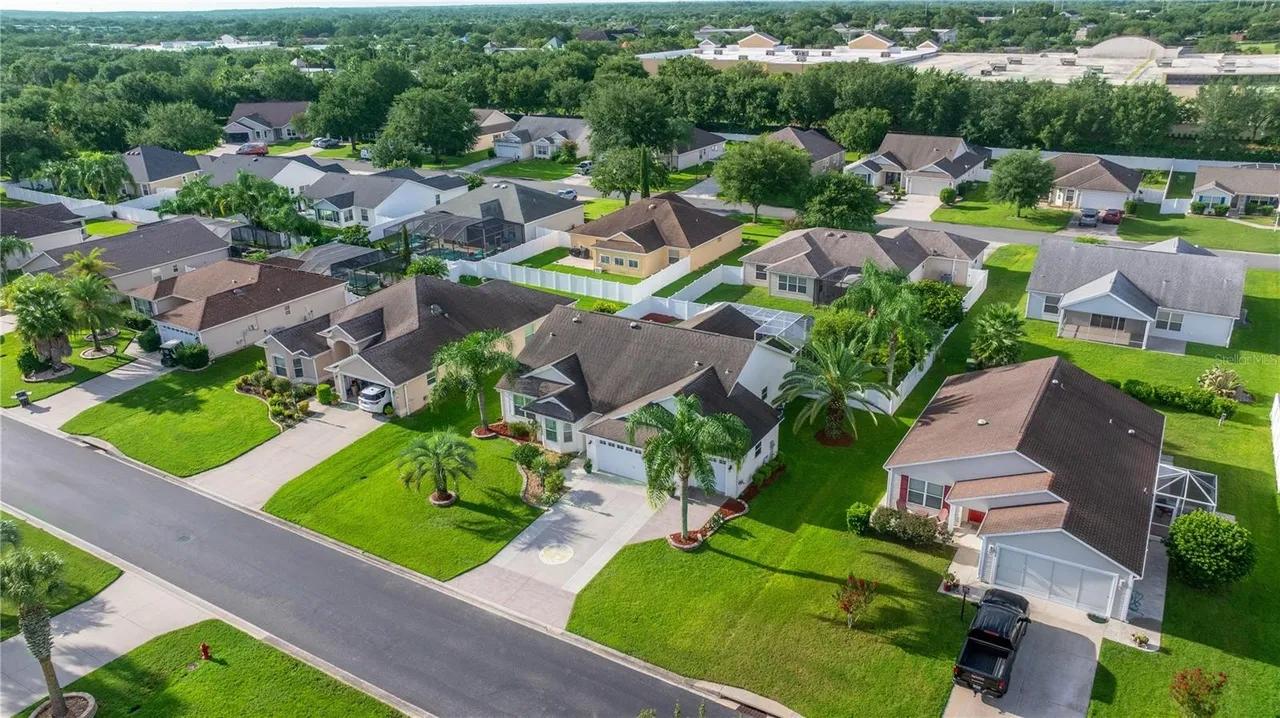
If you are planning to buy a home in Florida, one of the first things you probably want to know is current home interest rates in Florida. Mortgage rates have been moving around quite a bit in 2026, so the rate you see today may not be the same one available a few weeks from now. As of August 18, 2026, national mortgage-rate data puts the 30-year fixed mortgage around the mid-to-high 6% range, while 15-year fixed loans are generally in the low 6% range.
For example, Rocket Mortgage was showing a 30-year fixed rate of 6.75% and a 15-year fixed rate of 5.875% on August 18, although those advertised rates included specific assumptions and points.
That last part matters. The rate advertised online is not necessarily the rate you personally receive.
What Are Mortgage Rates in Florida Right Now?
As of mid-August 2026, here is a general picture of where mortgage rates are sitting:
| Mortgage Type | Approximate Current Rate |
|---|---|
| 30-year fixed | Around 6.7% |
| 15-year fixed | Around 6.0%–6.1% |
| FHA loans | Varies by lender and borrower |
| VA loans | Varies by lender and borrower |
| Jumbo loans | Varies depending on loan amount and borrower |
These are market indicators rather than guaranteed Florida mortgage offers. Your actual rate can depend on credit score, loan amount, down payment, debt-to-income ratio, property type, occupancy, lender, and whether you pay discount points.
Recent Freddie Mac data reported a 30-year fixed average of 6.67% on August 13, while Bankrate’s August 17 average was 6.69%.
Why Have Mortgage Rates Been Moving?
Mortgage rates do not simply move up and down because the Federal Reserve changes its benchmark rate.
Long-term mortgage rates are heavily influenced by the bond market, particularly the 10-year Treasury yield, along with inflation expectations and broader economic conditions.
That is part of why mortgage rates can move even when the Fed leaves its short-term policy rate unchanged.
In fact, the Federal Reserve has kept the federal-funds target range at 3.50% to 3.75% in 2026, while mortgage rates have continued to move based on broader market conditions.
Recent geopolitical uncertainty and higher energy prices have also contributed to inflation concerns and higher bond yields, putting pressure on mortgage rates.
30-Year Fixed Mortgage Rates in Florida
The 30-year fixed mortgage remains one of the most popular choices for homebuyers.
The biggest attraction is straightforward: your principal-and-interest payment generally stays the same for the life of the loan, assuming you have a fixed-rate mortgage.
The trade-off is that you usually pay more interest over the full 30-year period than you would with a shorter loan.
For example, a borrower choosing a 30-year mortgage may prefer the lower monthly payment because it leaves more room in the household budget for insurance, property taxes, repairs, and everyday expenses.
And in Florida, those other housing costs deserve attention.
15-Year Mortgage Rates
A 15-year mortgage generally comes with a lower interest rate than a 30-year mortgage, but the monthly payment is considerably higher because you are paying the loan off in half the time.
As of August 18, Rocket Mortgage was advertising a 15-year fixed rate of 5.875%, while Bankrate’s national average was around 6.07% on August 17.
For someone who can comfortably handle the higher payment, a 15-year mortgage can reduce the total interest paid over the life of the loan.
But there is no prize for choosing a shorter mortgage if the monthly payment makes your budget uncomfortable.
What About FHA Mortgage Rates in Florida?
FHA loans can be useful for qualifying borrowers who want a lower down payment or have a credit profile that does not fit the strongest conventional-loan pricing.
The FHA does not simply publish one mortgage rate that every borrower receives.
Your actual rate depends on the lender and your circumstances.
FHA loans also involve mortgage insurance, so do not compare an FHA rate with a conventional rate without looking at the complete monthly payment and upfront costs.
What About VA Mortgage Rates in Florida?
Eligible veterans, active-duty service members, and certain surviving spouses may qualify for VA financing.
VA loans can be attractive because they can offer favorable financing terms and, for eligible borrowers, may not require a traditional down payment.
Again, there is no single VA mortgage rate for everyone.
If you qualify for VA financing, ask several VA-approved lenders for actual quotes and compare the complete cost of each offer.
Why Your Florida Mortgage Rate May Be Different From the Advertised Rate
This is where many homebuyers get confused.
You might see an advertisement saying something like “6.25% mortgage rate” and then receive a quote that is higher.
That does not necessarily mean the lender is doing anything wrong.
Advertised rates may assume:
- Excellent credit
- A particular loan amount
- A certain down payment
- Owner-occupied property
- A specific loan type
- Payment of discount points
- Other lender-specific assumptions
Your individual circumstances can change the rate.
That is why getting an actual Loan Estimate is much more useful than simply searching for the lowest advertised number.
Florida Home Insurance Can Change the Picture
There is another issue Florida buyers should not overlook: homeowners insurance.
Your mortgage payment is not just principal and interest.
Your total monthly housing cost can include:
- Principal
- Interest
- Property taxes
- Homeowners insurance
- Mortgage insurance, if applicable
- HOA or condominium fees
This means a buyer could secure a slightly lower mortgage rate but still have a relatively high total monthly housing payment because of insurance, taxes, or HOA costs.
When calculating affordability, look at the whole payment—not just the mortgage rate.
Should You Wait for Mortgage Rates to Fall?
This is probably the question every buyer wants answered.
Unfortunately, nobody can tell you with certainty what mortgage rates will be six months from now.
Recent forecasts have remained cautious. Fannie Mae expects mortgage rates to stay above 6% for the remainder of 2026, according to recent reporting.
That does not mean you should rush into buying a house simply because rates might rise.
Instead, look at your own situation.
If you find a home you can comfortably afford, have stable income, and can manage the complete monthly payment, today’s rate may be workable.
And if rates fall later, refinancing could potentially become an option—although refinancing also comes with its own costs.
How to Get a Better Mortgage Rate in Florida
You cannot control everything that determines your mortgage rate, but there are several things you can do to put yourself in a stronger position.
Improve Your Credit
A stronger credit profile can help you qualify for better mortgage pricing.
Before applying, review your credit reports and avoid taking on unnecessary new debt.
Save for a Larger Down Payment
A larger down payment can reduce your loan-to-value ratio and may improve your financing options.
However, do not drain your savings just to put more money down.
You still need money for closing costs, moving expenses, repairs, insurance, and emergencies.
Compare Multiple Lenders
This is one of the simplest ways to potentially save money.
Get quotes from several lenders and compare the actual terms.
Recent reporting has highlighted how much borrowers can potentially save by shopping around rather than accepting the first mortgage offer they receive.
Ask About Discount Points
Points allow you to pay more upfront in exchange for a lower interest rate.
Whether they make sense depends on how long you expect to keep the mortgage.
Ask the lender to calculate your break-even point.
What Is a Good Mortgage Rate in Florida?
There is no single number that qualifies as a “good” mortgage rate for everyone.
A rate that is excellent for one borrower may not be available to another borrower with a different credit profile, loan type, property, or down payment.
As of August 2026, a 30-year fixed rate in the mid-to-high 6% range is broadly consistent with current national market averages.
But instead of asking only, “Is 6.7% a good rate?” ask:
“Is this the best rate and overall loan cost I can get based on my situation?”
That is a much more useful question.
Frequently Asked Questions
Q1: What are current home interest rates in Florida?
A: As of August 18, 2026, 30-year fixed mortgage rates are generally around the mid-to-high 6% range nationally, while 15-year fixed rates are around the low 6% range. Individual Florida borrowers may receive different rates depending on their credit, down payment, loan type, lender, and other factors.
Q2: Are Florida mortgage rates higher than rates in other states?
A: Mortgage rates are generally driven by national financial markets, so Florida does not necessarily have a completely separate mortgage-rate market. However, individual lender pricing, property type, insurance considerations, and borrower qualifications can affect the offer you receive.
Q3: Should I choose a 15-year or 30-year mortgage?
A: A 15-year mortgage usually has a lower interest rate and allows you to pay the loan off faster, but the monthly payment is higher. A 30-year mortgage generally provides a lower monthly payment and more flexibility. The better choice depends on your budget and long-term plans.
Q4: Can I refinance if mortgage rates fall?
A: Potentially, yes. Refinancing replaces your existing mortgage with a new loan, but closing costs apply. Before refinancing, calculate how much you would save each month and how long it would take to recover the refinance costs.
Final Thoughts
Current home interest rates in Florida are still considerably higher than the ultra-low rates many homeowners remember from the pandemic years. As of August 2026, 30-year fixed rates are hovering around the high-6% range, while 15-year rates are closer to 6%.
That does not mean buying a home is automatically a bad idea.
It simply means you need to look at the numbers carefully.
Compare several lenders, ask for actual Loan Estimates, consider the full monthly payment—including Florida property taxes and insurance—and avoid choosing a mortgage based solely on an advertised rate. The right mortgage is ultimately the one that fits comfortably within your finances, not necessarily the one with the most attractive number on a website.