First-Time Home Buyer Checklist for Florida
Buying your first home in Florida can be exciting, but the process gets confusing quickly when you’re trying to remember everything at once. Credit score, mortgage preapproval, down payment, insurance, inspections, closing costs—it can feel like there is always one more thing to check. Having a simple first-time home buyer checklist for Florida can make the process much easier and help you avoid expensive surprises.
You don’t need to have everything figured out on day one. Start with your finances, understand what you can afford, and then work through the home-buying process one step at a time.
1. Check Your Credit
Before applying for a mortgage, find out where your credit stands.
Mortgage lenders look at your credit history when evaluating your application. Your credit can also affect the loan programs and interest rate available to you.
Check your credit reports for inaccurate information and give yourself time to address any problems you find.
If you’re planning to buy several months from now, that extra time can be useful.
2. Look at Your Savings
Don’t look only at the amount you have available for a down payment.
Your savings may also need to cover:
- Closing costs
- Home inspection
- Appraisal
- Prepaid taxes
- Homeowners insurance
- Escrow deposits
- Moving expenses
- Initial repairs
- Emergency savings
For example, if you’ve saved $25,000, you don’t necessarily want to put the entire $25,000 into the purchase.
Having some money left after closing can make the first few months of homeownership much less stressful.
3. Determine What You Can Comfortably Afford
This is where it’s helpful to separate what you can qualify for from what you actually want to spend.
A lender might tell you that you qualify for a $400,000 mortgage.
That doesn’t mean you have to buy a $400,000 house.
Think about what your monthly life would look like after adding the mortgage payment, property taxes, insurance, utilities, maintenance, and other expenses.
A slightly cheaper home may leave you with much more breathing room.
4. Get Mortgage Preapproval
Before seriously shopping for homes, consider getting preapproved.
A preapproval can help you understand your potential loan amount and show sellers that you’re prepared to finance the purchase.
Compare lenders instead of automatically choosing the first one you talk to.
Ask about:
- Interest rate
- Loan type
- Monthly payment
- Mortgage insurance
- Closing costs
- Lender fees
- Down-payment requirements
The lowest advertised rate isn’t always the cheapest overall mortgage.
5. Explore Florida First-Time Buyer Programs
If your savings are limited, check whether you qualify for down-payment or closing-cost assistance.
Florida Housing Finance Corporation offers homebuyer programs through participating lenders. Its current programs include options such as Florida Assist and other assistance programs that may help eligible buyers with upfront costs.
Florida Housing’s current Homebuyer Loan Program lists a minimum credit score of 640, along with income, purchase-price, education, and other requirements.
Local housing programs may also be available through cities and counties.
Don’t assume assistance is automatically “free money.” Some programs are structured as second mortgages and may have repayment requirements.
6. Decide Where You Want to Buy
Florida has very different housing markets.
Buying in Miami isn’t the same as buying in Tampa, Orlando, Jacksonville, Fort Myers, or a smaller Florida community.
Before falling in love with a house, think about:
- Commute
- Schools
- Property taxes
- Insurance
- Flood risk
- HOA fees
- Local amenities
- Future resale
Drive through the neighborhood at different times of day if you can.
A quiet street on Saturday afternoon can feel very different on Monday morning.
7. Get Homeowners Insurance Quotes Early
This deserves a spot near the top of your checklist because Florida insurance costs can significantly affect your housing budget.
Before making an offer, find out whether you can obtain coverage for the property and get an idea of the premium.
Also ask whether flood insurance may be necessary.
Don’t make the mistake of calculating affordability using only the mortgage payment.
Your real monthly cost may include:
Mortgage + property taxes + homeowners insurance + mortgage insurance + HOA fees + other property costs
8. Start Looking at Homes
Once you know your budget and have financing lined up, you can start shopping seriously.
Make a list of your actual must-haves.
Maybe you need:
- Two or three bedrooms
- A home office
- Parking
- A certain school area
- A manageable commute
- A yard
- No HOA
Then separate those from things that would simply be nice to have.
That makes it easier to walk away from a beautiful house that doesn’t actually fit your needs.
9. Review the Property Carefully
A house can look perfect in photographs and still have problems.
When you’re viewing homes, pay attention to things such as:
- Roof condition
- HVAC system
- Plumbing
- Electrical system
- Windows
- Water damage
- Foundation
- Appliances
- Signs of moisture
You don’t have to become a building expert.
Just don’t let fresh paint and nice furniture distract you from the condition of the property.
10. Make an Offer
When you find the right home, your real estate agent can help you prepare an offer.
The offer isn’t only about price.
Depending on the transaction, it can address financing, inspections, closing dates, seller concessions, and other terms.
Read the contract carefully and make sure you understand the deadlines.
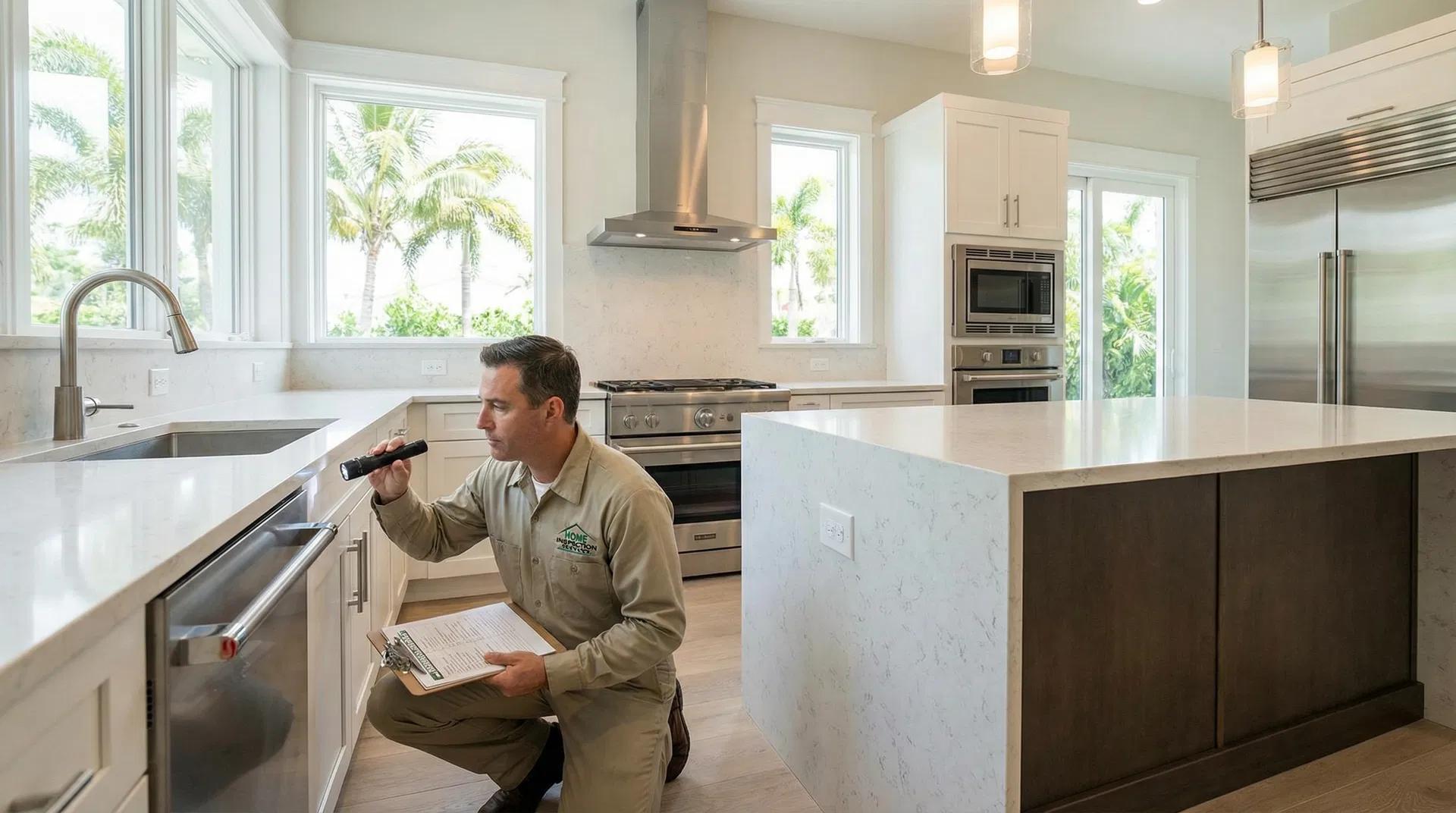
11. Schedule a Home Inspection
A home inspection is one of the most useful steps for a first-time buyer.
The inspector can identify problems that aren’t obvious during a normal showing.
This can include issues with:
- Roofing
- Electrical
- Plumbing
- HVAC
- Structure
- Water intrusion
- Safety concerns
An inspection doesn’t guarantee that nothing will ever break.
It simply gives you more information before you commit to the purchase.
12. Review the Appraisal
If you’re using mortgage financing, the lender will generally order an appraisal.
An appraisal and inspection serve different purposes.
The inspection looks primarily at the property’s condition.
The appraisal helps the lender evaluate the property’s value for lending purposes.
If the appraisal comes in below the agreed purchase price, your lender and real estate professional can explain what options may be available.
13. Understand Your Closing Costs
Don’t wait until closing week to discover what you’re paying.
Review your estimated closing costs throughout the process.
Depending on the transaction, costs can include:
- Loan fees
- Title services
- Recording charges
- Appraisal
- Prepaid interest
- Property taxes
- Insurance
- Escrow
- Other closing expenses
Ask your lender to explain anything you don’t recognize.
There is no prize for pretending you understand a document when you don’t.
14. Review Your Closing Disclosure
Before closing, you’ll receive a Closing Disclosure showing important details about your mortgage and closing costs.
Compare the final figures with what you expected.
Pay particular attention to:
- Loan amount
- Interest rate
- Monthly payment
- Closing costs
- Cash needed to close
- Credits
- Escrow amounts
If something looks different, ask your lender before signing.
15. Do a Final Walk-Through
Before closing, you’ll usually have an opportunity to walk through the property again.
This is your chance to make sure the home is in the condition you expected and that agreed-upon repairs have been completed.
Check the rooms, appliances, fixtures, doors, windows, and anything else that was part of the agreement.
It may not feel as exciting as the first house tour, but it’s an important final check.
16. Keep Money After Closing
This might be the most overlooked item on a first-time buyer’s checklist.
Don’t plan your finances as though closing day is the finish line.
It’s actually the beginning of homeownership.
Keep money available for:
- Emergency repairs
- Maintenance
- Appliances
- Insurance deductibles
- Unexpected expenses
- Regular household costs
The first repair always seems to happen at the worst possible time.
Having savings available gives you options.
First-Time Home Buyer Checklist at a Glance
Before buying your first Florida home, make sure you’ve:
☐ Checked your credit
☐ Reviewed your savings
☐ Set a realistic budget
☐ Compared mortgage options
☐ Gotten preapproved
☐ Researched down-payment assistance
☐ Chosen your preferred area
☐ Checked homeowners insurance
☐ Considered flood insurance
☐ Started viewing homes
☐ Made an offer
☐ Completed a home inspection
☐ Reviewed the appraisal
☐ Reviewed closing costs
☐ Checked your Closing Disclosure
☐ Completed the final walk-through
☐ Kept emergency savings after closing
☐ Completed the closing process
Frequently Asked Questions
1. How much should a first-time buyer save in Florida?
There isn’t one universal amount. Your savings should cover the required down payment, closing costs, prepaid expenses, and ideally an emergency reserve after closing.
2. Can first-time buyers get down-payment assistance in Florida?
Yes. Eligible buyers may qualify for state or local assistance programs. Florida Housing offers several programs through participating lenders, although eligibility and funding requirements apply.
3. Should I get preapproved before looking at homes?
Yes. Preapproval can give you a clearer idea of your potential financing and helps you shop within a realistic price range.
4. Do I really need a home inspection?
An inspection is strongly worth considering. It can uncover expensive or safety-related problems that may not be obvious during a showing.
5. What Florida-specific cost should buyers pay special attention to?
Homeowners insurance deserves particular attention. Depending on the property’s location, flood insurance and HOA costs may also affect the overall housing budget.
Final Thoughts
Buying your first Florida home becomes much less overwhelming when you stop looking at it as one enormous task.
Check your finances. Get preapproved. Research assistance. Find the right area. Look carefully at the property. Understand your insurance and closing costs. Then take the final steps toward closing.
Most importantly, don’t judge affordability by the house price alone.
A home that fits your budget after accounting for insurance, taxes, mortgage costs, maintenance, and everyday living expenses is usually a much better purchase than a house that simply looks affordable on paper.