How Much Are Closing Costs in Florida?
Buying a home in Florida involves more than saving for the down payment. There are also several expenses that come up between getting your mortgage and officially becoming the homeowner. If you are wondering how much are closing costs in Florida, a useful starting point is around 2% to 5% of the purchase price, excluding the down payment. The actual amount can vary depending on the lender, loan type, property, location, and services involved in the transaction.
For example, on a $400,000 home, 2% to 5% would be approximately $8,000 to $20,000. That is only a rough planning range, not a quote for a particular transaction.
What Are Closing Costs?
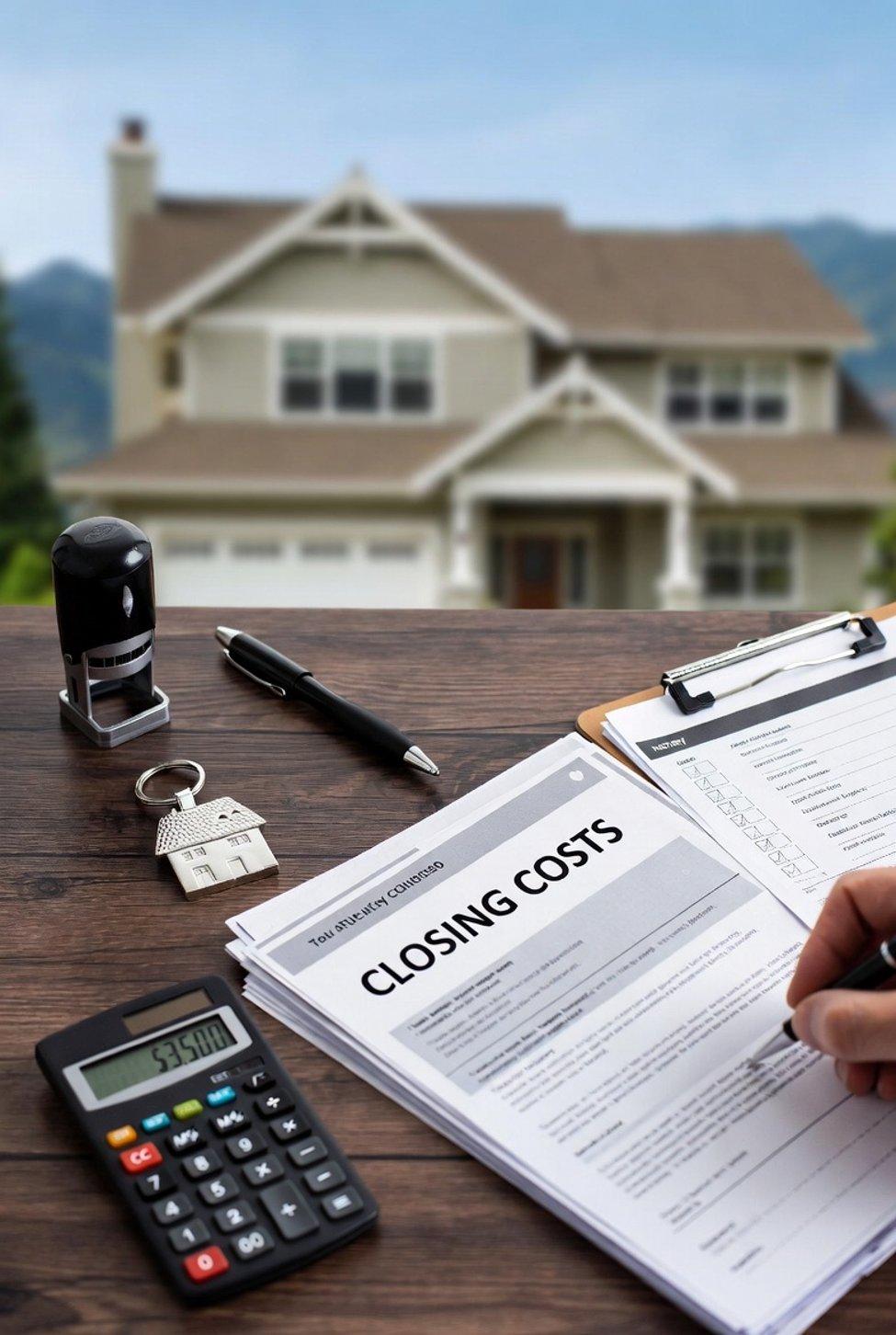
Closing costs are the expenses associated with getting the mortgage and transferring ownership of the property. They are separate from your down payment.
Depending on the transaction, they can include lender charges, appraisal fees, title services, recording charges, government taxes, prepaid interest, homeowners insurance, and initial escrow deposits.
This is why two Florida buyers purchasing homes for the same price can end up with different closing costs.
Common Closing Costs in Florida
Some of the expenses you may see include:
- Loan origination or lender charges
- Discount points, if you choose to pay them
- Home appraisal
- Credit report and other loan-related fees
- Title search and title insurance
- Recording fees
- Government taxes
- Prepaid property taxes
- Homeowners insurance
- Prepaid mortgage interest
- Initial escrow deposits
Not every buyer will pay every charge, and the amount of each fee can vary.
Title services can make up a significant portion of closing expenses. The CFPB notes that title services may include the title search, lender’s title insurance, and other services associated with issuing the title insurance policy.
Florida Documentary Stamp Tax
Florida has a state-specific expense that buyers should understand: documentary stamp tax.
For most Florida counties, deeds transferring an interest in real property are subject to documentary stamp tax at 70 cents for each $100, or portion thereof, of the consideration. Miami-Dade has different rules, including a 60-cent rate and, in certain transactions, an additional surtax.
Florida also imposes documentary stamp tax on recorded mortgages and certain other evidence of indebtedness. The rate on a mortgage or lien is 35 cents per $100, or portion thereof, of the amount secured, with no cap on the tax.
These taxes are one reason Florida closing costs cannot be estimated simply by looking at lender fees.
Who Pays the Closing Costs?
The buyer generally pays many of the costs associated with purchasing and financing a home, but the seller may agree to cover certain expenses depending on the purchase contract and applicable rules.
A seller credit can sometimes help reduce the amount of cash you need to bring to closing. However, a credit is not necessarily free money. The terms of the transaction matter, and a lender may also offer credits in exchange for a higher interest rate.
This is why it is important to look at the complete transaction rather than focusing only on the amount of the seller credit.
Closing Costs on a $300,000, $400,000, or $500,000 Home
Using the general 2%–5% planning range:
| Home Price | 2% Estimate | 5% Estimate |
|---|---|---|
| $300,000 | $6,000 | $15,000 |
| $400,000 | $8,000 | $20,000 |
| $500,000 | $10,000 | $25,000 |
| $600,000 | $12,000 | $30,000 |
These figures are simply rough estimates based on the CFPB’s general range. Your actual Florida closing costs could be outside these amounts depending on your loan, property, taxes, insurance, lender, and other factors.
Closing Costs Are Not the Same as Cash to Close
This distinction can be confusing when you are buying your first home.
Closing costs are the upfront costs associated with obtaining the loan and completing the real estate transaction. “Cash to Close” is the total amount you actually need to pay at closing after accounting for items such as your down payment, deposits already paid, credits, and other adjustments.
So, if you have $20,000 available, you should not automatically assume all $20,000 can go toward closing costs. Your down payment and other required funds also need to be considered.
How to Get a More Accurate Estimate
Once you apply for a mortgage, your Loan Estimate gives you a much more useful picture of the expected costs. The CFPB recommends reviewing the Loan Estimate and later comparing it with the Closing Disclosure.
You should receive the Closing Disclosure at least three business days before closing. This gives you an opportunity to review the final figures and ask questions about significant changes.
You may also be able to shop for certain closing services. The CFPB notes that some title and other settlement services can be compared between providers, which may help you control some expenses.
Can You Reduce Florida Closing Costs?
Sometimes. You may be able to compare lenders, negotiate certain contract terms, shop for eligible settlement services, or discuss seller or lender credits.
But be careful with offers that advertise “no closing costs.” The costs do not necessarily disappear. A lender may compensate for a credit by charging a higher interest rate or increasing the loan amount.
The better question is not simply how much you pay at closing. Look at what the mortgage will cost over time.
Frequently Asked Questions
1. How much are closing costs on a $400,000 house in Florida?
A rough 2%–5% planning range would be $8,000 to $20,000, excluding the down payment. Actual costs depend on the loan, property, lender, taxes, insurance, and other transaction details.
2. Are closing costs included in the down payment?
No. Your down payment and closing costs are separate expenses. However, both can contribute to the total amount of money you need to bring to closing.
3. Can the seller pay closing costs in Florida?
A seller may agree to contribute toward certain closing costs when allowed by the purchase contract and applicable loan rules. The specific amount depends on the transaction and mortgage program.
4. When will I know my exact closing costs?
Your Loan Estimate provides an early estimate, while your Closing Disclosure provides the final figures. By law, you generally receive the Closing Disclosure at least three business days before closing.
Final Thoughts
Closing costs can make a noticeable difference in how much cash you need to buy a Florida home. The 2%–5% range is useful for early planning, but it should not replace an actual estimate based on your mortgage and property.
Before closing, review your Loan Estimate, compare available services and fees, and carefully check the final Closing Disclosure. Knowing where your money is going can make the final stage of buying a Florida home much less surprising.