Jumbo Mortgages in Orlando: Requirements and Options
Buying a higher-priced home in Orlando can change the mortgage conversation pretty quickly. Once the amount you need to borrow moves above the applicable conforming loan limit, you may be looking at a jumbo mortgage instead of a standard conventional loan. For 2026, the conforming limit for a one-unit property in Orange County is $832,750, so a mortgage above that amount generally falls into jumbo territory.
That does not necessarily mean the process has to be complicated, but jumbo borrowers usually face more detailed financial review. Lenders may look closely at credit, income, debt, assets, the property itself, and the amount of money you will still have available after closing.
What Is a Jumbo Mortgage?
A jumbo mortgage is designed for borrowers who need to finance a property with a loan amount above the conforming limit. Unlike conforming mortgages that follow Fannie Mae or Freddie Mac guidelines, jumbo loans are generally offered under individual lender or investor requirements.
That difference matters because there is no single set of jumbo requirements that applies to every borrower. One lender may have a different credit-score requirement, reserve requirement, maximum loan amount, or down-payment option than another.
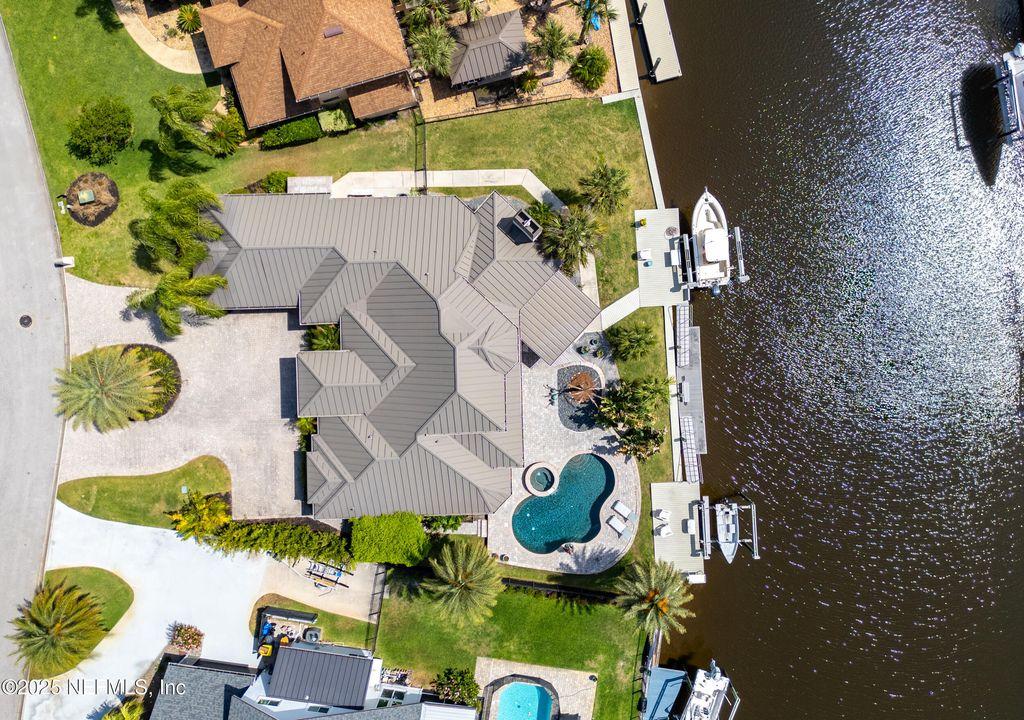
For an Orlando buyer, this can make comparing mortgage programs particularly important when purchasing an expensive single-family home, luxury property, second home, or certain investment properties.
Credit Requirements for Jumbo Loans
Credit is one of the first areas lenders examine.
There is no universal minimum credit score for every jumbo mortgage. Some programs may allow scores in the upper 600s, while other lenders prefer significantly higher scores, particularly for larger loan amounts or lower down payments.
A stronger credit profile may also help when it comes to pricing and other qualification factors. Before applying, it can be useful to review your credit reports, existing debts, and payment history so you know what a lender is likely to see.
How Much Down Payment Is Needed?
A common misconception is that every jumbo mortgage automatically requires 20% down.
In reality, down-payment requirements vary by lender, loan amount, property type, credit profile, and other factors. Some jumbo programs allow around 10% down, while others may require more. Certain specialized programs may offer different structures for highly qualified borrowers.
For example, a buyer purchasing a $1.5 million Orlando home could potentially look at several financing structures rather than assuming that one fixed down payment applies.
The important thing is to look at the complete cost, not simply the amount you bring to closing.
Cash Reserves Can Matter
This is where jumbo mortgages can surprise borrowers.
A lender may want to see substantial assets remaining after the purchase closes. These reserves help demonstrate that you can continue making the mortgage payment if your income temporarily changes or an unexpected expense comes up.
Depending on the lender and loan amount, reserve requirements can range from several months of housing expenses to considerably more for larger loans.
So if you have enough money for the down payment but very little left afterward, your application may look different from someone with the same income and a larger amount of liquid or qualifying assets.
Income and Documentation
Jumbo underwriting can involve more documentation than borrowers expect.
You may be asked for recent pay stubs, W-2s, tax returns, bank statements, investment-account statements, and other records showing your income and assets. Self-employed borrowers can face additional documentation requirements because lenders need to establish that the income being used to qualify is stable and supportable.
This is one reason it helps to prepare your financial documents before you start seriously shopping for a high-priced property.
What About Debt-to-Income Ratio?
Your debt-to-income ratio, or DTI, compares your monthly debt obligations with your qualifying income.
Jumbo lenders often pay close attention to DTI because the mortgage payment can be substantial. However, the maximum ratio varies from one lender and program to another. Some programs may allow a higher DTI when the borrower has strong compensating factors, such as excellent credit or significant reserves.
It is therefore worth asking a lender to calculate your DTI using the actual purchase price and expected housing costs rather than relying on a general percentage found online.
Jumbo Mortgage Options in Orlando
There is more than one way to structure jumbo financing.
Depending on your circumstances, you may find fixed-rate jumbo mortgages, adjustable-rate options, different down-payment structures, and programs designed around particular borrower profiles. Some Florida lenders also offer multiple jumbo products with different loan amounts and qualification standards.
The right structure depends on factors such as how long you expect to own the property, how much cash you want to keep available, your income situation, and whether the property will be your primary residence, second home, or investment.
Jumbo Mortgages for Orlando Luxury Homes
For buyers considering an Orlando property above the conforming limit, getting pre-approved early can make the home-search process much easier.
A jumbo pre-approval can help you understand your realistic purchasing range before you make an offer. It also gives you an opportunity to identify documentation or qualification issues before you are under contract.
Because jumbo underwriting can vary significantly between lenders, comparing more than one option can also be useful. The lowest advertised rate is not necessarily the most important factor; the complete combination of rate, fees, down payment, reserve requirements, and loan terms matters.
4 FAQs About Jumbo Mortgages in Orlando
1. What makes a mortgage a jumbo loan in Orlando?
For a one-unit property in Orange County, a mortgage above the 2026 conforming limit of $832,750 generally falls into jumbo-loan territory. Limits can differ by county and property type.
2. Do jumbo mortgages require 20% down?
Not always. Some jumbo programs allow lower down payments, while others may require 20% or more depending on the borrower, property, loan amount, and lender.
3. How much money should I have in reserves?
There is no single reserve requirement for every jumbo mortgage. Some lenders require several months of housing expenses, while larger loans may require substantially more. Your lender will determine the requirement based on the specific program and application.
4. Can self-employed borrowers qualify for a jumbo mortgage?
Yes. Self-employed borrowers can qualify, but lenders generally require detailed documentation to verify income, which may include tax returns and business financial records.
Final Thoughts
Jumbo mortgages in Orlando are not simply larger versions of ordinary home loans. The bigger loan amount can bring additional questions about credit, income, debt, reserves, down payment, and the property itself.
If you are considering a high-priced Orlando home, understanding those requirements before making an offer can help you avoid surprises later. Comparing different jumbo programs and getting a detailed pre-approval can give you a much clearer picture of what financing may look like for your particular situation.