How Much Down Payment Do I Need to Buy a House in Florida?
One of the first things people wonder when they start looking at homes is how much money they actually need to bring to the table. If you are asking, “How much down payment do I need to buy a house in Florida?” the answer depends on the mortgage program, your financial situation, the property, and the lender. You may not need 20% down to become a homeowner, and several mortgage options allow buyers to put down considerably less.
You May Not Need 20% Down
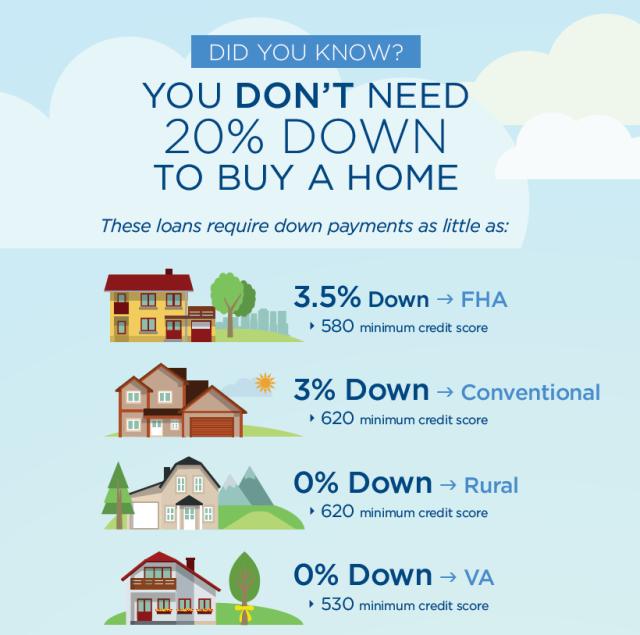
The idea that every homebuyer needs a 20% down payment is still common, but it is not a universal requirement. Some conventional mortgages can allow down payments as low as 3%, while FHA loans can allow as little as 3.5% for eligible borrowers.
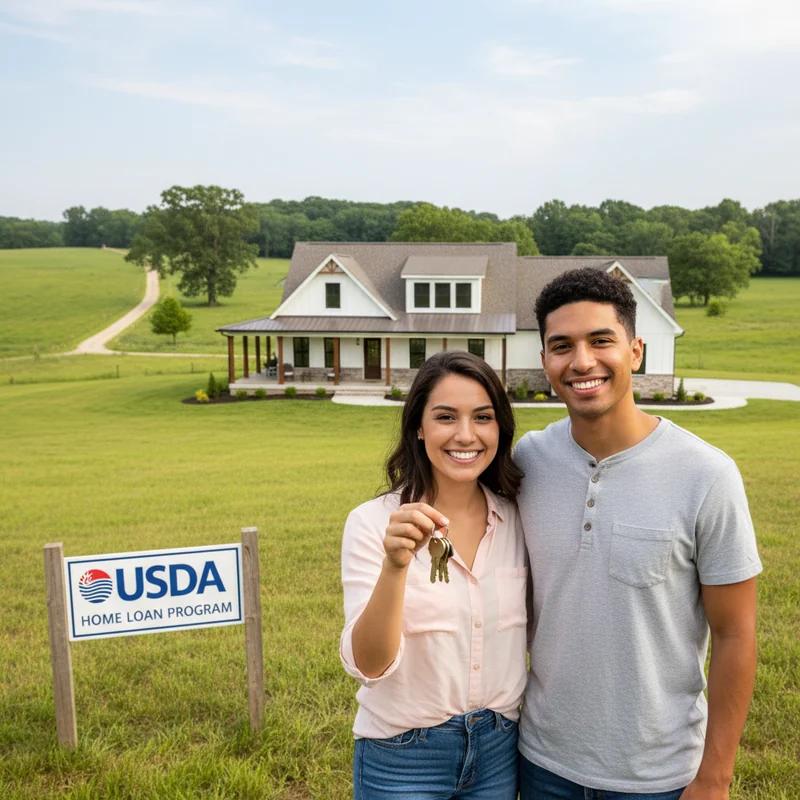
There are also programs that may require no down payment for qualified borrowers. VA-backed purchase loans can offer 0% down for eligible veterans and service members, while USDA loans may offer zero-down financing for eligible properties and borrowers in qualifying rural areas.
So, a Florida buyer looking at a $400,000 home might not automatically need $80,000 just for the down payment. Depending on the loan, the required amount could be much lower.
How Much Is 3%, 3.5%, 5%, or 20%?
The actual dollar amount becomes easier to understand when you look at a home price.
For a $400,000 Florida home:
- 3% down = $12,000
- 3.5% down = $14,000
- 5% down = $20,000
- 10% down = $40,000
- 20% down = $80,000
These are examples rather than guarantees of what you will qualify for. Your lender will look at your credit, income, debts, assets, loan type, and other factors before determining your financing options.
The CFPB notes that many buyers can qualify for low-down-payment options, but putting more money down can reduce the amount you borrow and may lower certain loan costs.
Conventional Loans
Conventional financing is one of the most common choices for homebuyers. Some conventional programs allow as little as 3% down for qualified borrowers.
Putting less than 20% down may mean paying private mortgage insurance, depending on the loan. That additional cost can affect your monthly payment, so it is important to compare the complete mortgage rather than focusing only on the minimum down payment.
For some buyers, putting 5%, 10%, or more down may make sense. For others, keeping additional cash available for emergencies, repairs, moving expenses, or other needs may be more important.
FHA Loans
FHA loans are another option for buyers who want a relatively small down payment. Eligible borrowers can put down as little as 3.5%. FHA loans also have more flexible credit requirements than many conventional loans.
There is a tradeoff, though. FHA loans require mortgage insurance, so a smaller down payment does not necessarily mean the overall mortgage will be cheaper.
That is why it can be useful to compare an FHA offer with a conventional option instead of automatically choosing whichever requires less money upfront.
VA and USDA Options
Some Florida buyers may qualify for programs that do not require a traditional down payment.
VA-backed purchase loans can offer no-down-payment financing for eligible veterans and service members when program requirements are met.
USDA financing can also offer a zero-down-payment option for eligible borrowers purchasing qualifying properties in eligible rural areas.
These programs have specific eligibility requirements, so not every buyer or property will qualify.
Remember: Down Payment Is Not the Same as Cash Needed to Buy
This is where some first-time buyers get caught off guard.
Your down payment is only one part of the money you may need when purchasing a Florida home. Closing costs, prepaid expenses, lender charges, insurance, inspections, moving expenses, and immediate repairs can add to the amount you need.
The CFPB says closing costs typically range from about 2% to 5% of the purchase price, although actual costs depend on the loan, property, lender, location, and other factors.
So if you have $30,000 saved, it does not necessarily mean you can put the entire $30,000 toward the down payment. Some of that money may need to remain available for closing and other expenses.
Is Putting 20% Down Always Better?
Not necessarily.
A 20% down payment can reduce your loan balance and may help you avoid private mortgage insurance on many conventional loans. A larger down payment can also reduce your loan-to-value ratio.
But putting every dollar of your savings into the house can leave you with very little cash afterward.
Imagine buying a home and then discovering that the air conditioner needs attention, a roof repair comes up, or you have several moving expenses at once. Having some money left over can be valuable.
The right down payment is therefore not always the biggest one you can possibly afford. It is the amount that fits your loan, budget, and financial comfort without leaving you stretched too thin.
Florida Buyers Should Compare Loan Options
Florida has everything from starter homes and suburban properties to expensive coastal homes and condos. The right financing can look very different depending on what you are buying and your financial circumstances.
Before deciding on a down payment, compare several mortgage options. Look at the interest rate, monthly payment, mortgage insurance, closing costs, cash required at closing, and total loan cost.
A lower down payment can help you buy sooner, while a larger down payment can reduce what you borrow. Neither is automatically the better choice for every buyer.
Frequently Asked Questions
1. What is the minimum down payment to buy a house in Florida?
There is no single minimum for every Florida homebuyer. Some conventional loans may allow 3% down, FHA loans can allow 3.5% for eligible borrowers, and certain VA and USDA programs can offer zero-down financing for qualified borrowers.
2. Do I need 20% down to buy a house in Florida?
No. Many mortgage programs allow buyers to put down less than 20%. However, a down payment below 20% may result in mortgage insurance or other additional costs, depending on the loan.
3. How much should I put down on a $400,000 house in Florida?
It depends on the mortgage program and your finances. For example, 3% would be $12,000, 3.5% would be $14,000, 10% would be $40,000, and 20% would be $80,000. You should also budget separately for closing costs and other upfront expenses.
4. Can I buy a Florida home with no down payment?
Some eligible buyers can. VA-backed loans can offer zero-down financing for qualified veterans and service members, while USDA loans can offer zero-down financing for eligible borrowers and qualifying properties in eligible rural areas.
Final Thoughts
Buying a home in Florida does not necessarily mean saving 20% of the purchase price before you can start shopping. Depending on your circumstances, you may have access to conventional, FHA, VA, USDA, or other financing options with different down-payment requirements.
The important part is looking beyond the initial amount. Consider how much cash you will have left after closing, what your monthly payment will be, whether mortgage insurance applies, and how comfortable you will be with the overall cost of owning the home. A down payment should help you move toward homeownership without leaving you financially stretched once you get there.